blog.ugcvideotranslationscalingtiktoksshortsglobalmarkets.title
UGC Video Translation: Scaling TikToks and Shorts for Global Markets
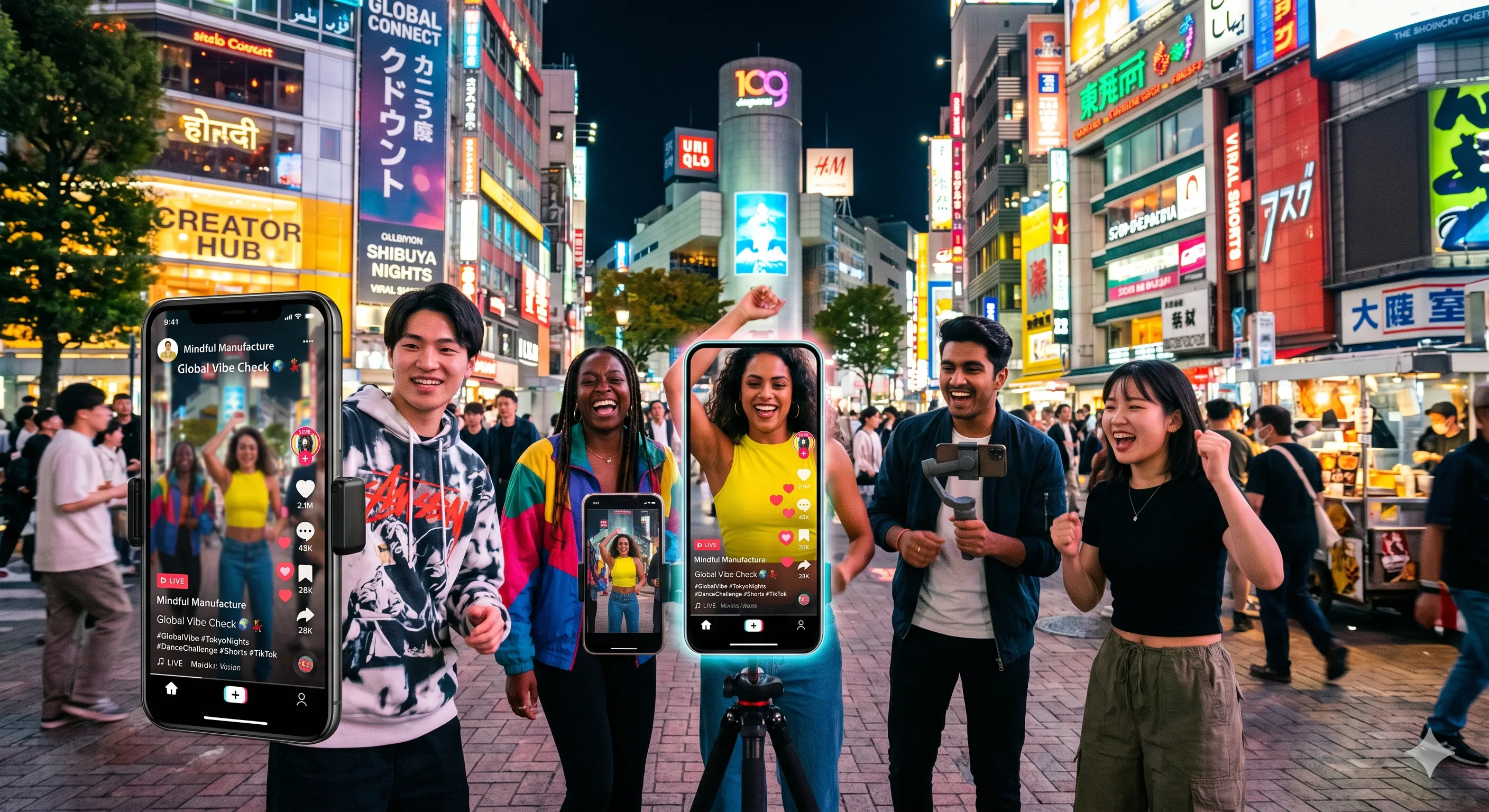
While excellent content exists for translating long-form YouTube videos, the current creator economy is heavily driven by short-form User Generated Content (UGC). Brands and creators are desperate to push their top-performing Shorts and Reels into Spanish, Japanese, and Portuguese markets without losing the energetic pacing of the original creator.
🎯What is UGC Video Translation?
UGC Video Translation is the process of localizing short-form content (TikToks, Instagram Reels, YouTube Shorts) for global audiences while preserving the creator's original energy, pacing, and emotional delivery. Unlike long-form content translation, short-form requires precise timing preservation, cultural adaptation of trends, and maintaining the viral DNA that made the original content successful.
🚀Why Focus on Short-Form Content?
The creator economy has shifted dramatically. While long-form content still matters, the growth engine is now short-form UGC. Creators who successfully translate their viral TikToks and Shorts into multiple languages can 10x their reach and monetization potential. The technical challenge is maintaining the original creator's authentic voice and emotional inflection in 15-60 second clips.
⚙️Technical Nuances of Short-Form Translation
Step 1: Analyze Original Content DNA
Before translation, identify the viral elements: pacing patterns, emotional beats, jump cuts, sound sync points, and cultural references. Use AI analysis to extract timing markers, energy levels, and emotional transitions that make the original content compelling. This DNA becomes your translation blueprint.
Step 2: Voice Cloning for Creator Authenticity
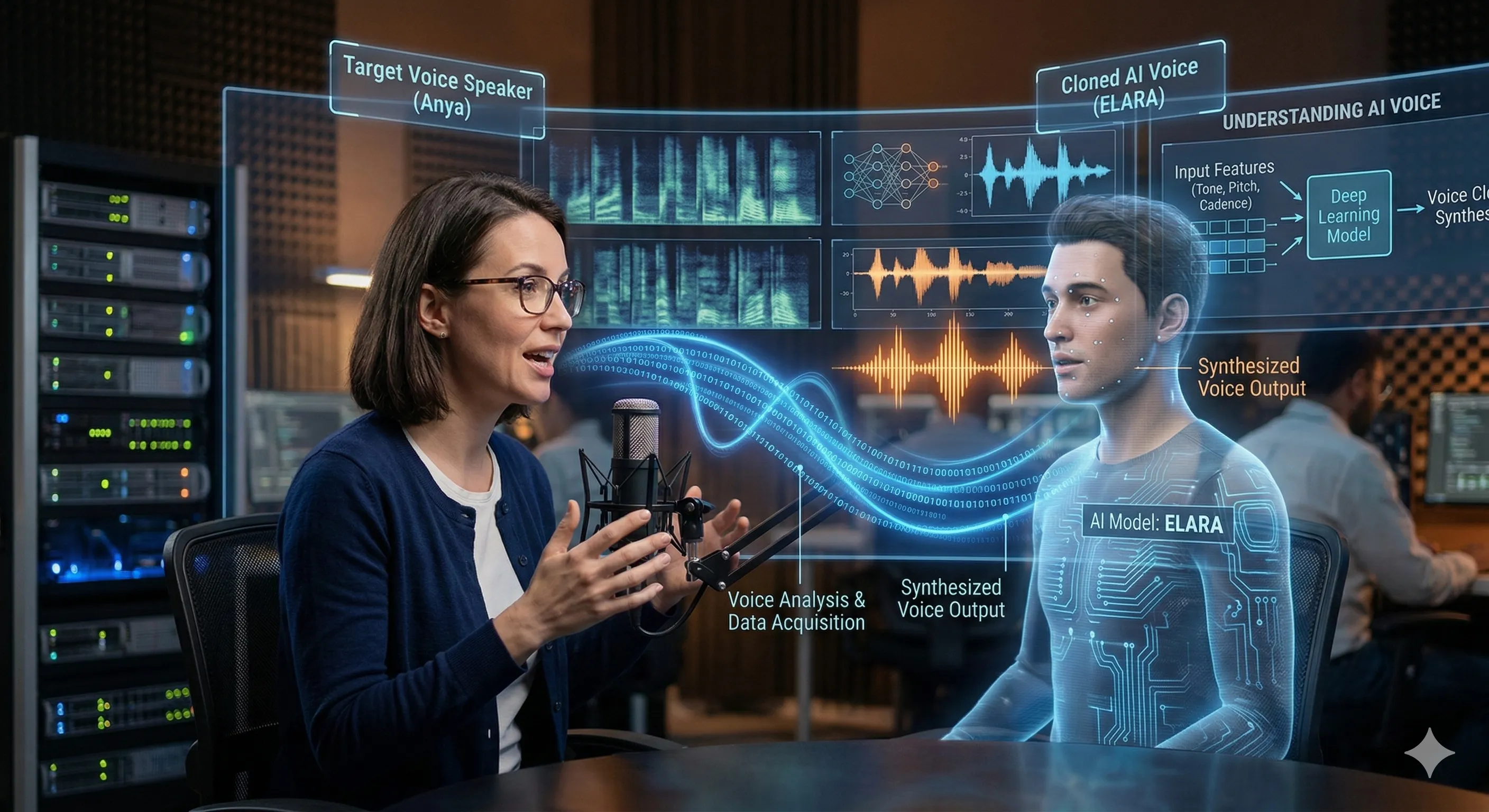
Generate a voice clone that captures the creator's unique vocal characteristics: pitch range, speech rhythm, emotional inflection, and accent patterns. For short-form content, focus on high-energy delivery patterns and quick emotional shifts. The voice model must handle rapid pacing and sudden energy changes without sounding robotic.
Step 3: Lip-Sync Precision for Short Clips
Implement frame-by-frame lip synchronization that matches the original creator's mouth movements and expressions. Short-form content requires sub-frame accuracy due to rapid cuts and close-up shots. Use Curify's enhanced lip-sync pipeline to maintain natural mouth movements during fast-paced segments and emotional moments.
Step 4: Cultural Adaptation of Trends
Localize not just language but cultural context: trending sounds, meme references, gesture meanings, and platform-specific behaviors. What's viral in the US might not resonate in Japan or Brazil. Adapt cultural references while maintaining the core message and entertainment value that drove the original's success.
Step 5: Quality Assurance for Viral Potential
Test translated content with native speakers from the target market. Verify emotional impact, comedic timing, and cultural resonance. Use A/B testing to compare different emotional deliveries and pacing variations. Ensure the translated content maintains the shareability and engagement potential of the original.
Take the next step
Putting what you read into practice.
Browse related topics
More templates and prompts in these areas.
Related Articles
Video Translation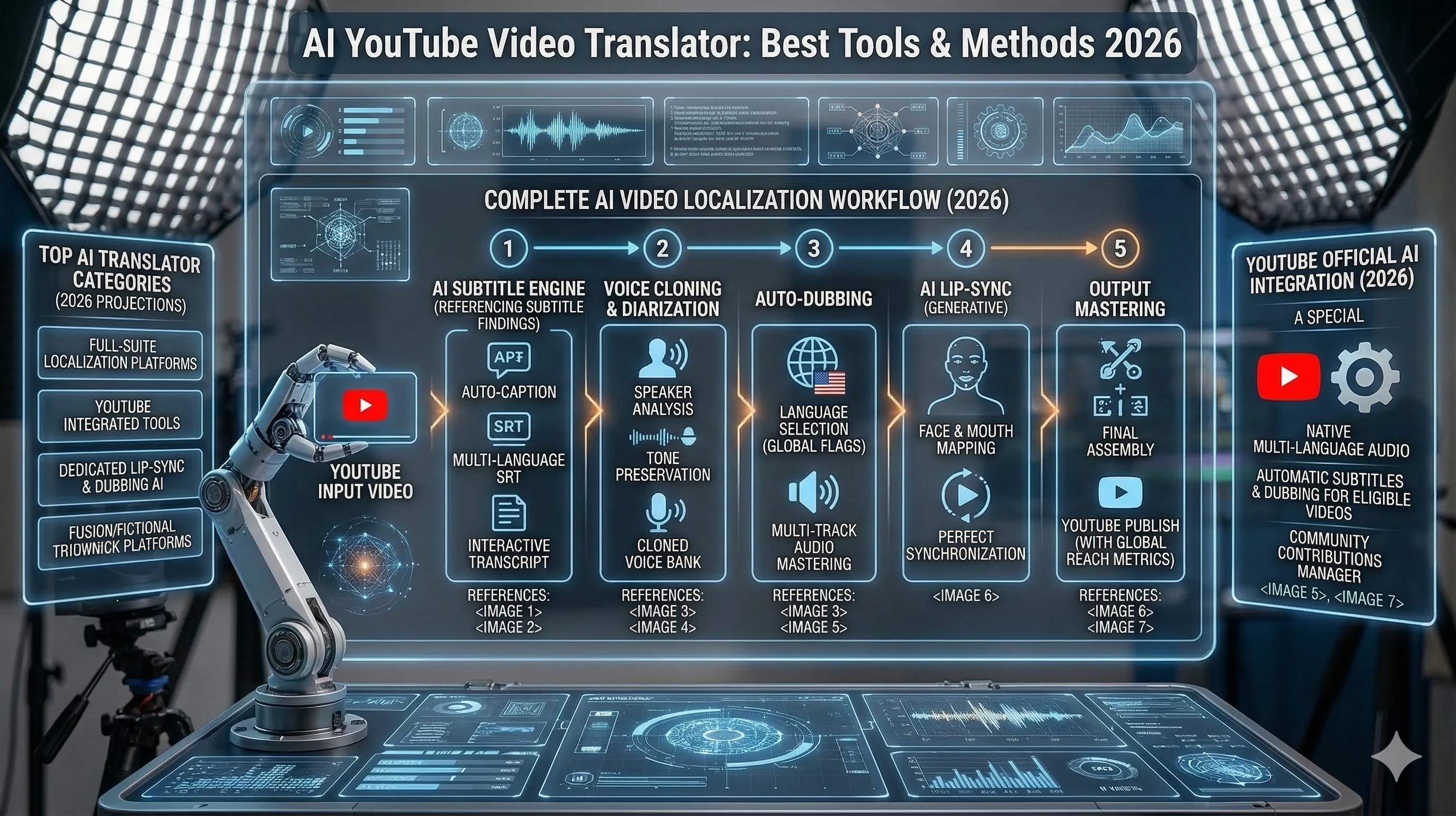
AI YouTube Video Translation: Best Tools, Methods & Results 2026
How to Dub Videos Naturally in 2026: Fixing AI Voice Cloning Artifacts