AI YouTube Video Translation: Best Tools, Methods & Results 2026
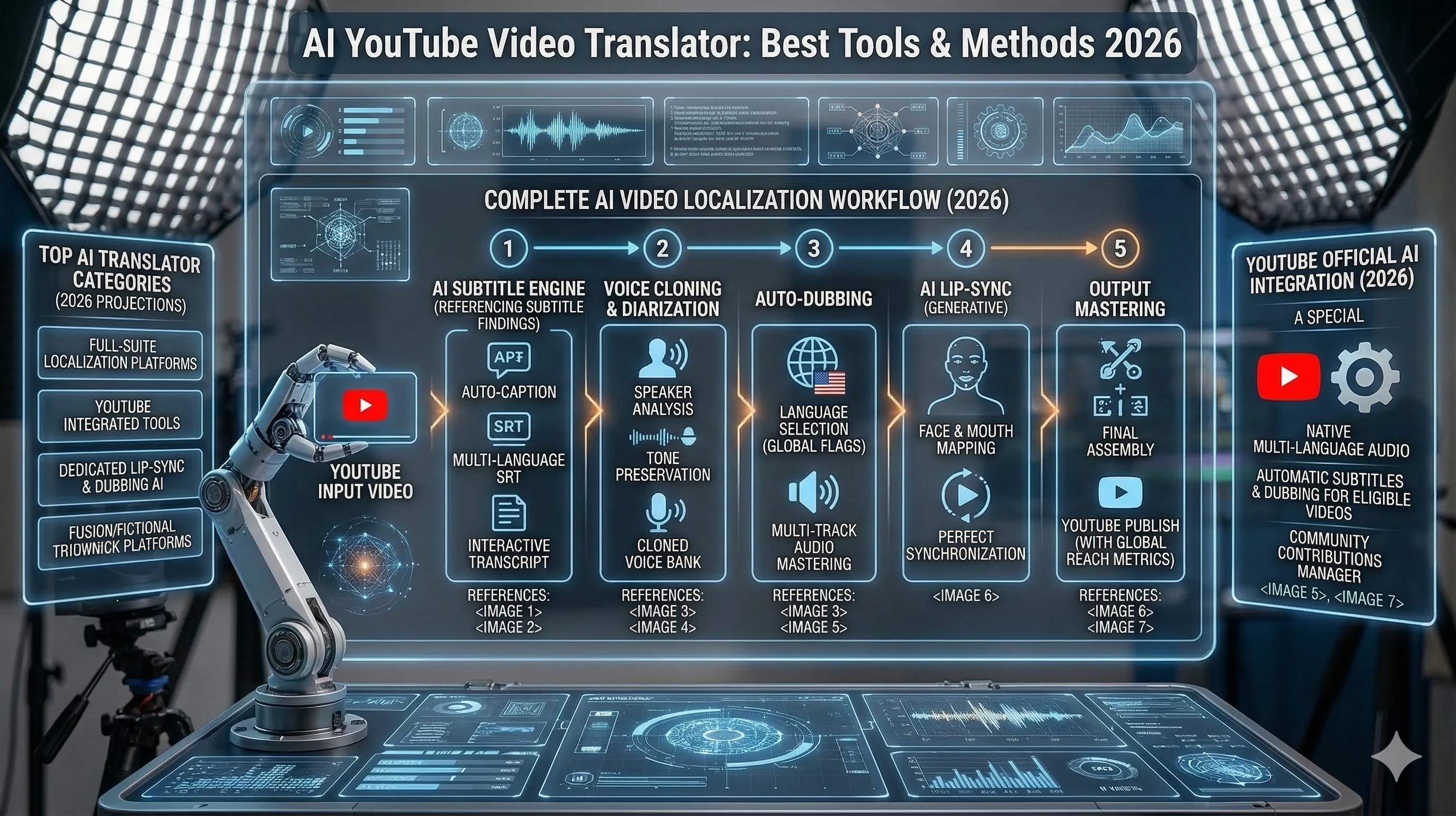
Discover how AI translate YouTube video tools are revolutionizing content creation. Learn about the best AI YouTube video translators, step-by-step translation methods, and how to automatically reach global audiences with artificial intelligence.
What is an AI YouTube Video Translator?
An AI YouTube video translator is an advanced tool that uses artificial intelligence, natural language processing (NLP), and machine learning technologies to automatically convert video content into multiple languages. These systems go beyond simple text translation—they understand tone, emotion, and cultural nuances to produce natural-sounding and context-aware results.
The process typically starts with speech recognition, where AI models transcribe the spoken audio from a YouTube video into text. Next, neural translation models interpret that text, applying language context and idiomatic understanding to produce fluent translations that mirror the original speaker’s intent. Finally, the tool synchronizes the results with the video through subtitles or AI-generated voice dubbing.
Modern AI video translators are capable of handling multiple dialects, detecting background noise, and differentiating between speakers using advanced acoustic and semantic analysis. This allows for accurate translation even in dynamic, conversation-heavy videos such as interviews or podcasts.
For creators, AI-powered translation unlocks massive opportunities—making it easy to reach new audiences across the globe without recording separate videos for each language. Viewers benefit from seamless access to educational content, entertainment, and news in their native tongue, breaking down language barriers that once limited accessibility and audience growth.
In short, AI YouTube Video Translators represent the future of multilingual media—scalable, efficient, and human-like in their ability to connect voices across borders.
Why Use AI to Translate YouTube Videos?
AI-powered translation opens the door to global reach, inclusivity, and growth for YouTube creators. Whether you're running an educational channel, hosting a podcast, or building a brand, AI video translators make it simple to connect with audiences who speak different languages—all without sacrificing authenticity or tone.
Here’s why more creators are turning to AI for video translation:
Speed and Efficiency: Translate hours of video content in a fraction of the time it would take a human translator. AI tools can analyze and process multiple files at once, ensuring your videos reach international viewers faster than ever.
Cost-Effectiveness: Traditional human translation and dubbing services can be expensive. AI translation typically reduces costs by up to 90%, making multilingual content creation accessible for independent creators, startups, and brands on any budget.
Scalability: Manage translation workflows for dozens—or even hundreds—of videos at once. With automation, you can publish localized content across multiple languages on a consistent schedule, helping your channel grow in multiple markets simultaneously.
Consistency and Quality Control: AI maintains consistent terminology, formatting, and tone across all your videos. It learns from your past translations, aligning with your brand voice and improving over time based on viewer feedback.
Global Accessibility: Break language barriers and expand your audience reach. AI translators automatically generate subtitles and dubbing that make your content discoverable and accessible to non-native speakers, hearing-impaired viewers, and multilingual learners.
Improved SEO and Engagement: Multilingual subtitles help your videos rank in international searches, drive more watch time, and attract new subscribers from around the world.
Ultimately, using AI to translate YouTube videos isn’t just about saving time—it’s about building cultural bridges. It allows creators to share ideas, lessons, and stories with a truly global audience, creating a more inclusive and connected online experience.
How AI YouTube Video Translation Works
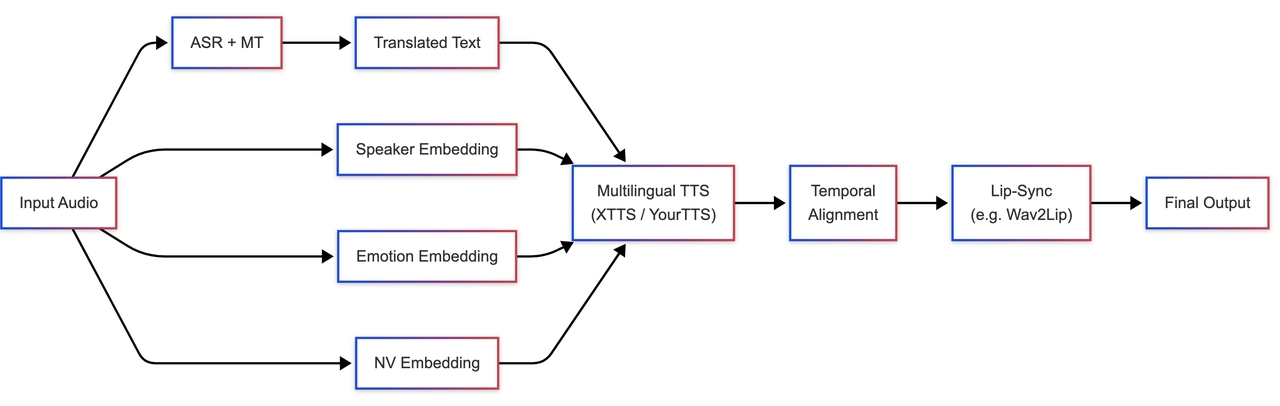
Step 1: Video Analysis and Transcription
The AI first analyzes your video to extract spoken audio, identify different speakers, and detect background noise. Advanced speech recognition models transcribe the audio with high accuracy, even handling multiple speakers and accents. This creates a perfect text foundation for translation.
Step 2: AI Translation Processing
Neural machine translation models process the transcribed text, converting it to target languages while preserving meaning, tone, and cultural context. Modern AI systems understand idioms, humor, and emotional content, ensuring translations feel natural rather than robotic.
Step 3: Output Generation and Synchronization
The AI generates final output in your preferred format
- synchronized subtitles
- dubbed audio using voice synthesis
- or both
The system ensures perfect timing alignment, so translations match the original video's pacing and emotional beats.
Best AI YouTube Video Translators
- Curify AI Translator: 100+ languages, voice cloning, perfect synchronization. Best for professional creators.
- DeepL Video API: Exceptional translation accuracy, advanced neural networks. Best for high-quality content.
- YouTube Studio Translator: Free built-in AI translation. Best for beginners, basic needs.
- Kapwing AI: User-friendly interface, solid translation quality. Best for quick projects.
Use Curify to Translate Videos with AI
Curify sets a new standard in AI video translation, offering a complete end-to-end solution that transforms multilingual content production. Built on cutting-edge neural machine translation, Curify doesn’t just convert words—it recreates meaning, tone, and emotion in fluent, natural English or any target language. Its advanced capabilities include voice cloning, automatic lip-sync, and dynamically generated multilingual subtitles, ensuring your translated videos feel truly native to your audience.
The platform’s voice cloning engine replicates the original speaker’s vocal style, inflection, and tone, producing a seamless viewing experience that sounds authentic rather than machine-generated. Lip-sync technology aligns dubbed audio with the speaker’s mouth movements for a natural on-screen result—ideal for interviews, tutorials, or storytelling videos. Curify’s subtitle generator automatically creates color-coded, perfectly timed captions optimized for accessibility and engagement across YouTube and other platforms.
Beyond translation accuracy, Curify excels in scalability and integration. It allows creators, agencies, and enterprises to process large libraries of video content simultaneously while preserving consistent quality and tone. Its cloud-based architecture ensures high-speed processing, and API support enables seamless integration with YouTube, Vimeo, and content management systems.
Curify’s intelligent analytics dashboard gives you full visibility into performance—tracking translation accuracy, subtitle alignment, viewer retention, and audience engagement across languages. The system learns continuously, refining translation style and vocabulary through feedback loops and data-driven modeling.
Whether you’re a solo creator looking to reach new markets or a media company managing a multilingual catalog, Curify provides the tools, automation, and quality assurance needed to translate videos with cultural sensitivity and professional polish. It’s not just AI translation—it’s global storytelling powered by technology.
Start Using AI Translation Today
AI YouTube video translation has transformed how creators reach global audiences. With tools like Curify, you can automatically translate content to multiple languages, maintain high quality, and grow your channel internationally. Start with AI translation to unlock global growth opportunities that were previously impossible.
Take the next step
Putting what you read into practice.
Browse related topics
More templates and prompts in these areas.
Related Articles
Video Translation
Building an ASL Video Translator: Experiments, Failures and Evaluation
How to Dub Videos Naturally in 2026: Fixing AI Voice Cloning Artifacts