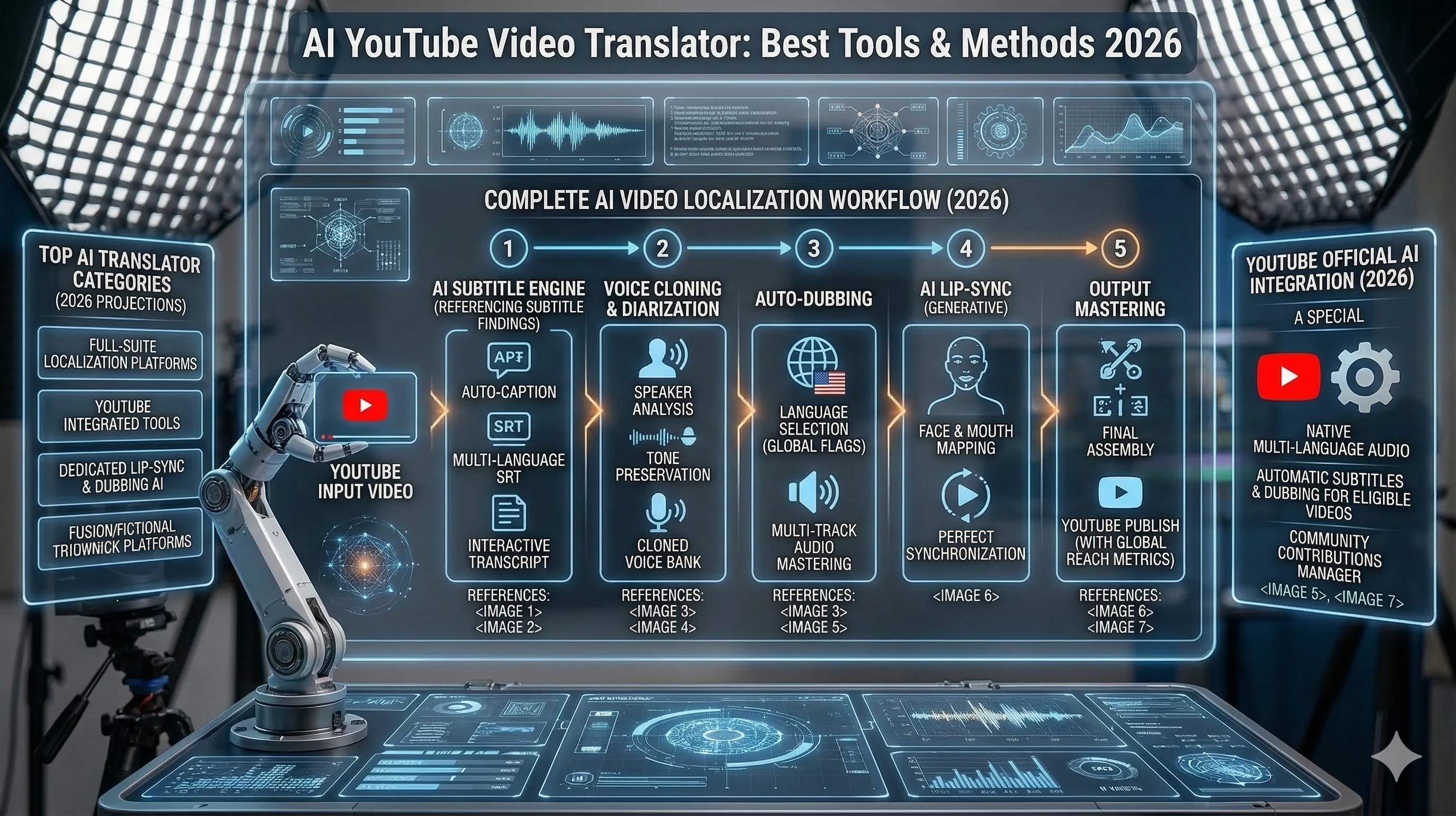
What is AI Voice Cloning? How to Fix Dubbing Artifacts in 2026
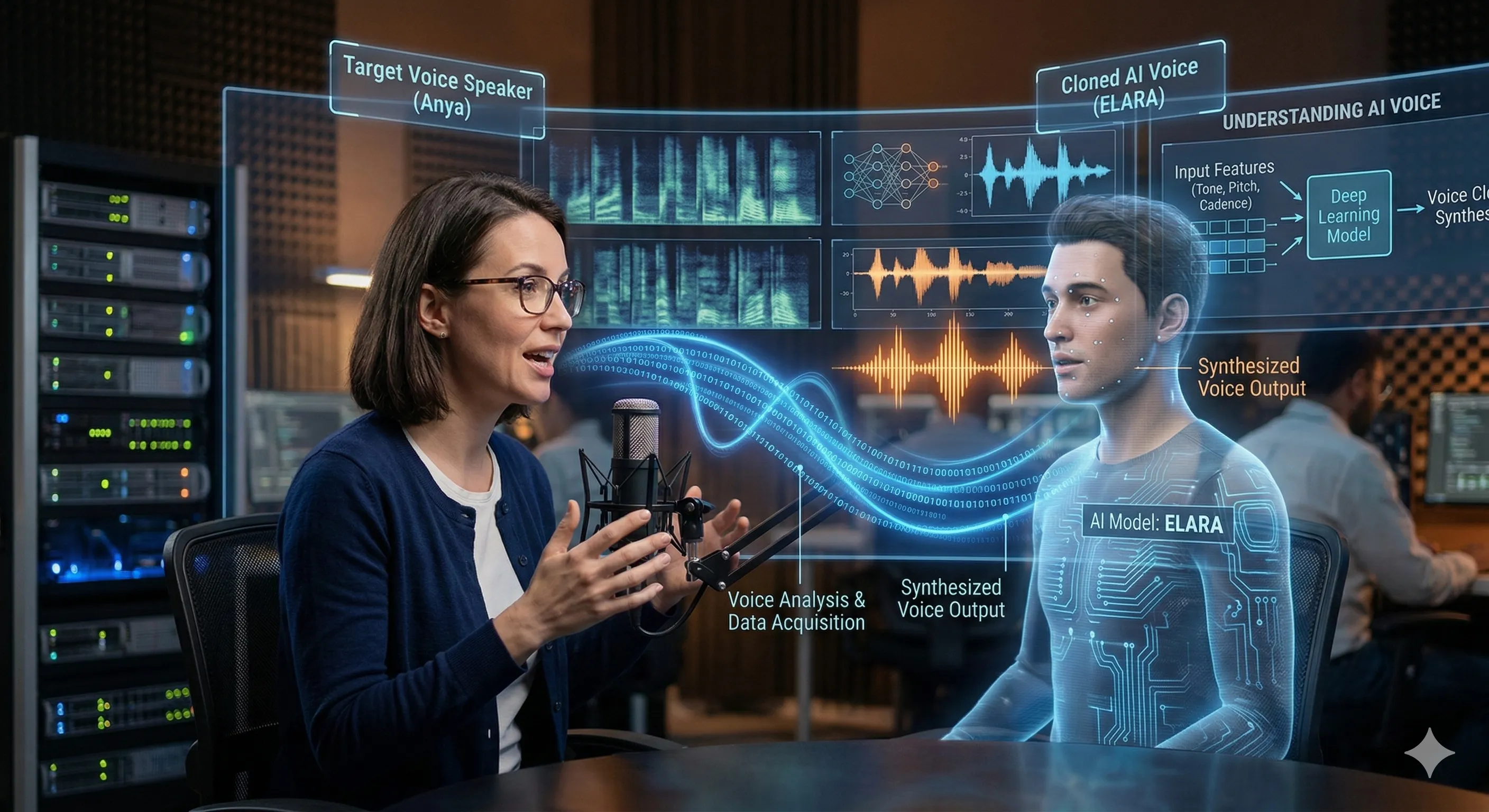
Voice cloning is transforming how people interact with technology, media, and AI systems. This 2026 guide explains how AI voice synthesis works, explores its most innovative uses, and outlines the ethical best practices shaping the future of voice technology.
What is Voice Cloning?
Voice cloning is an advanced artificial intelligence technology that creates digital replicas of human voices with remarkable accuracy. Using deep learning models and minimal audio samples, AI systems can capture the unique characteristics of a person's voice—including tone, pitch, accent, rhythm, and emotional inflection—to generate new speech that sounds virtually identical to the original speaker. This technology transforms how we approach AI audio production, dubbing workflows, and content localization at scale.
How Voice Cloning Works
AI voice cloning uses a combination of automatic speech recognition (ASR), text-to-speech (TTS), and neural audio modeling. Deep learning algorithms analyze a speaker's voice sample to capture unique vocal patterns such as timbre, cadence, and emotion. These features are encoded into a digital vector representation, allowing synthesis models—often based on transformer architectures like Tacotron 2, FastSpeech 2, or VITS—to generate new audio that replicates natural human speech with exceptional clarity and realism.
Popular Voice Cloning Tools: F5-TTS, ElevenLabs & More
The voice cloning landscape in 2026 is dominated by several powerful platforms, each serving different needs in AI audio and dubbing workflows:
F5-TTS Voice Cloning: An open-source framework that excels in zero-shot voice cloning across multiple languages. F5-TTS uses flow-matching and diffusion-based transformers to achieve impressive voice quality with minimal training data, making it ideal for developers and researchers seeking flexible, customizable voice synthesis solutions.
ElevenLabs Professional Voice Cloning: A commercial platform known for enterprise-grade realism and production reliability. ElevenLabs offers curated voice models with exceptional naturalness, supporting real-time voice generation and extensive language coverage—perfect for studios and content creators requiring broadcast-quality results.
Curify AI Voice Integration: Combines voice cloning with comprehensive video dubbing workflows, offering multilingual speech alignment, subtitle synchronization, and enterprise-level compliance features. Curify bridges the gap between voice synthesis and practical content localization applications.
Voice Cloning Use Cases
Voice cloning has become essential for AI audio and dubbing workflows across industries:
1. Professional Content Creation: Audiobooks, podcasts, and video narration with consistent voice quality and reduced production time.
2. Virtual Assistants & Chatbots: Personalized user interactions with natural, emotionally aligned digital voices that enhance customer experience.
3. Accessibility Solutions: Voice restoration for individuals with speech impairments and inclusive communication tools.
4. Film & Localization: Seamless dubbing and translation while preserving original vocal characteristics and emotional intent.
5. Marketing & Branding: Signature brand voices for consistent customer experiences across global markets.
6. Voice Cloning Professional Workflows: Advanced applications beyond basic cloning—including real-time voice conversion, multilingual dubbing pipelines, and enterprise-scale audio production.
Ethical Considerations in Voice Cloning
As voice cloning technology advances, ethical considerations become paramount in AI audio workflows. Key concerns include voice fraud prevention, deepfake misuse, privacy protection, and consent management. Responsible voice cloning requires: explicit permission from voice owners, transparent data governance, digital watermarking for authenticity verification, and compliance with emerging regulations. Professional platforms like Curify integrate built-in safeguards, audit trails, and consent protocols to ensure ethical deployment of cloned voices in commercial applications.
Conclusion
AI voice cloning is revolutionizing digital communication, enabling personalized assistants, realistic media production, and inclusive voice restoration. As this technology continues to evolve, ensuring consent, authenticity, and ethical standards will be essential to unlocking its full potential — responsibly and for the benefit of all.
Take the next step
Putting what you read into practice.
Browse related topics
More templates and prompts in these areas.