
How to Dub Videos Naturally in 2026: Fixing AI Voice Cloning Artifacts
A comprehensive guide to solving common dubbing issues with AI tools. Focus on pain points like robotic pacing, lack of emotion, and lip-sync problems.
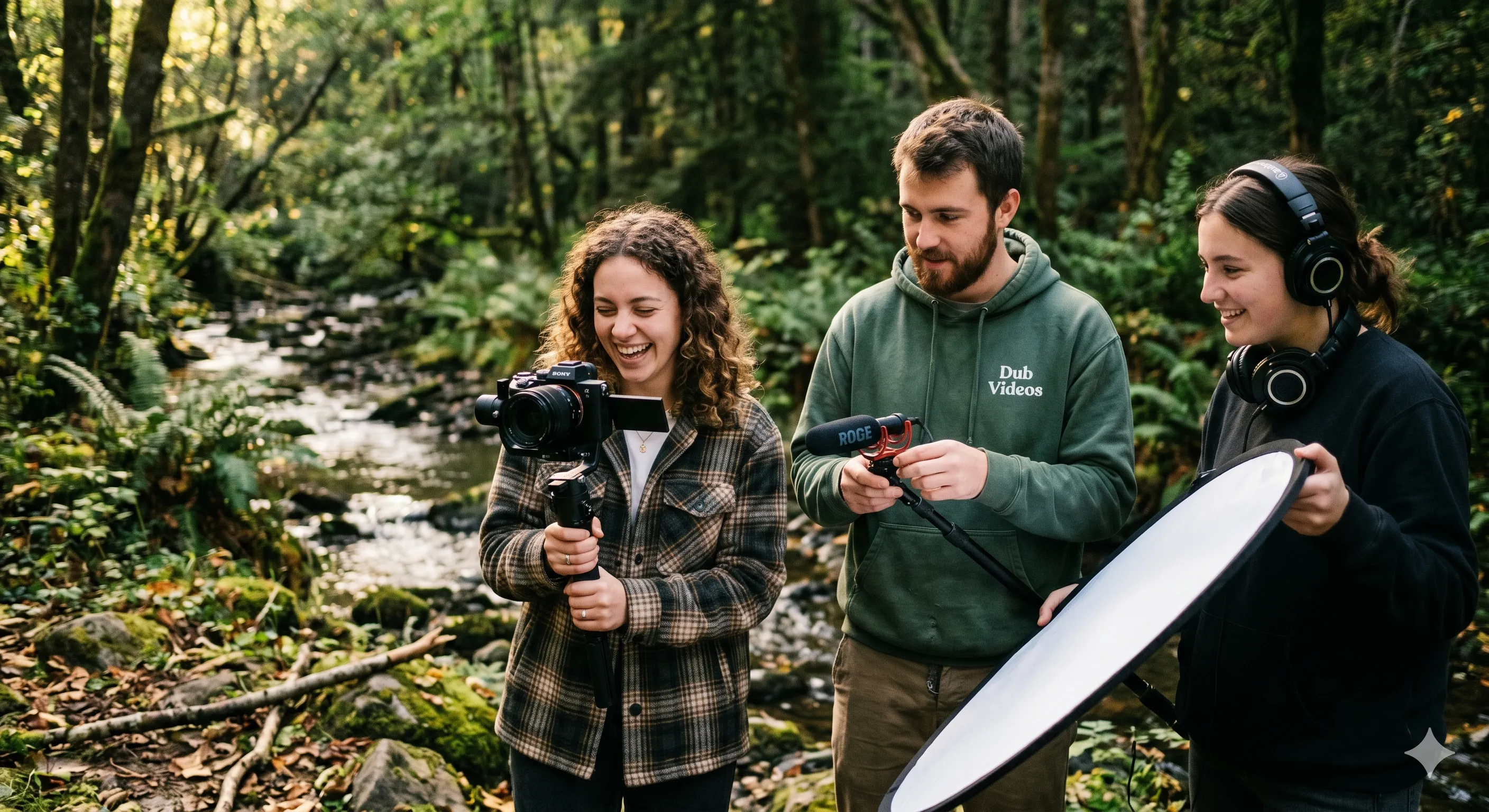
AI video dubbing has revolutionized content creation, but robotic artifacts and unnatural pacing still plague many productions. In 2026, we now have better tools and techniques to overcome these challenges. The core issue lies in how most dubbing pipelines treat speech as a purely technical layer rather than a performance. Many systems still generate audio with flat prosody, inconsistent emphasis, and poorly timed pauses, which breaks immersion even when the voice itself sounds realistic. Viewers are highly sensitive to timing discrepancies—when emotional beats, micro-pauses, or sentence stress do not align with the visual performance, the result feels subtly “off,” even if they cannot articulate why. Modern approaches address this by focusing on prosody control and temporal alignment. Instead of generating speech linearly, newer models incorporate rhythm-aware synthesis, allowing creators to control pacing at the phrase and syllable level. This makes it possible to match lip movements, preserve dramatic pauses, and maintain the speaker’s original intent across languages. Techniques like forced alignment, phoneme timing, and reference-audio conditioning are now standard in high-quality pipelines. Another major improvement comes from context-aware voice modeling. Instead of generating each line in isolation, advanced systems maintain conversational memory—they track tone, emotional state, and speaker dynamics across scenes. This reduces tonal drift and ensures a character sounds consistent whether whispering, arguing, or delivering exposition. For narrative-heavy content, this shift alone dramatically improves perceived realism. Finally, the rise of human-in-the-loop workflows has bridged the gap between automation and quality. Creators now combine AI generation with lightweight editing layers—fine-tuning pauses, adjusting emphasis, or regenerating specific segments instead of entire clips. This hybrid approach balances efficiency with creative control, enabling production teams to scale dubbing while achieving studio-level results. Together, these advancements are transforming AI dubbing from a practical tool into a production-ready solution capable of delivering natural, emotionally resonant performances across languages without sacrificing speed or scalability.
This guide shows you how to fix common dubbing issues using cutting-edge AI tools like MuseTalk, Emotion TTS, and advanced post-processing techniques. We go beyond basic speech generation to tackle the most persistent failure points in AI dubbing workflows—lip-sync drift, monotone delivery, timing mismatches, and emotional flatness. You will learn how to use MuseTalk for precise audiovisual alignment, ensuring generated voice tracks closely match lip movements and facial expressions, even in fast-paced or dialogue-heavy scenes. On the audio side, we explain how to leverage Emotion TTS systems to inject controlled expressiveness into generated voices. Instead of relying on generic presets, this guide walks through adjusting pitch contours, pacing, and emphasis to reflect intent—whether it is tension, sarcasm, or subtle emotional shifts within a single line. This allows you to move from “technically correct” audio to performances that feel human and contextually grounded. We also cover advanced post-processing workflows that make a critical difference in final output quality. These include phoneme timing adjustments, silence trimming and extension, inserting breaths and pauses, and audio mastering techniques like EQ matching and loudness normalization to seamlessly integrate dubbed voices into the original soundtrack. By combining these tools and techniques into a cohesive pipeline, you can systematically diagnose and fix dubbing issues rather than relying on trial and error—turning inconsistent AI outputs into polished, production-ready dialogue.
Pro Tip
Common AI Dubbing Problems
🤖 Robotic Pacing
AI-generated speech often lacks natural rhythm and timing, making it sound mechanical and distant.
Viewer Disengagement
Unnatural pacing breaks immersion and can reduce viewer engagement by up to 40%.
😐 Lack of Emotional Nuance
AI voices struggle to convey subtle emotions, making dramatic scenes feel flat.
Emotional Disconnect
Missing emotional cues prevent viewers from connecting with characters and story.
👄 Lip-Sync Errors
Poor alignment between audio and visual lip movements creates an uncanny effect.
Unrealistic Appearance
Visible lip-sync issues immediately break the illusion of natural speech.
Transform Your Video Dubbing with AI
By combining these advanced techniques and tools, you can create natural, emotionally engaging dubbed content that captivates audiences. The future of AI dubbing is here—and it is more human than ever.
Take the next step
Putting what you read into practice.
Related Articles
Video Translation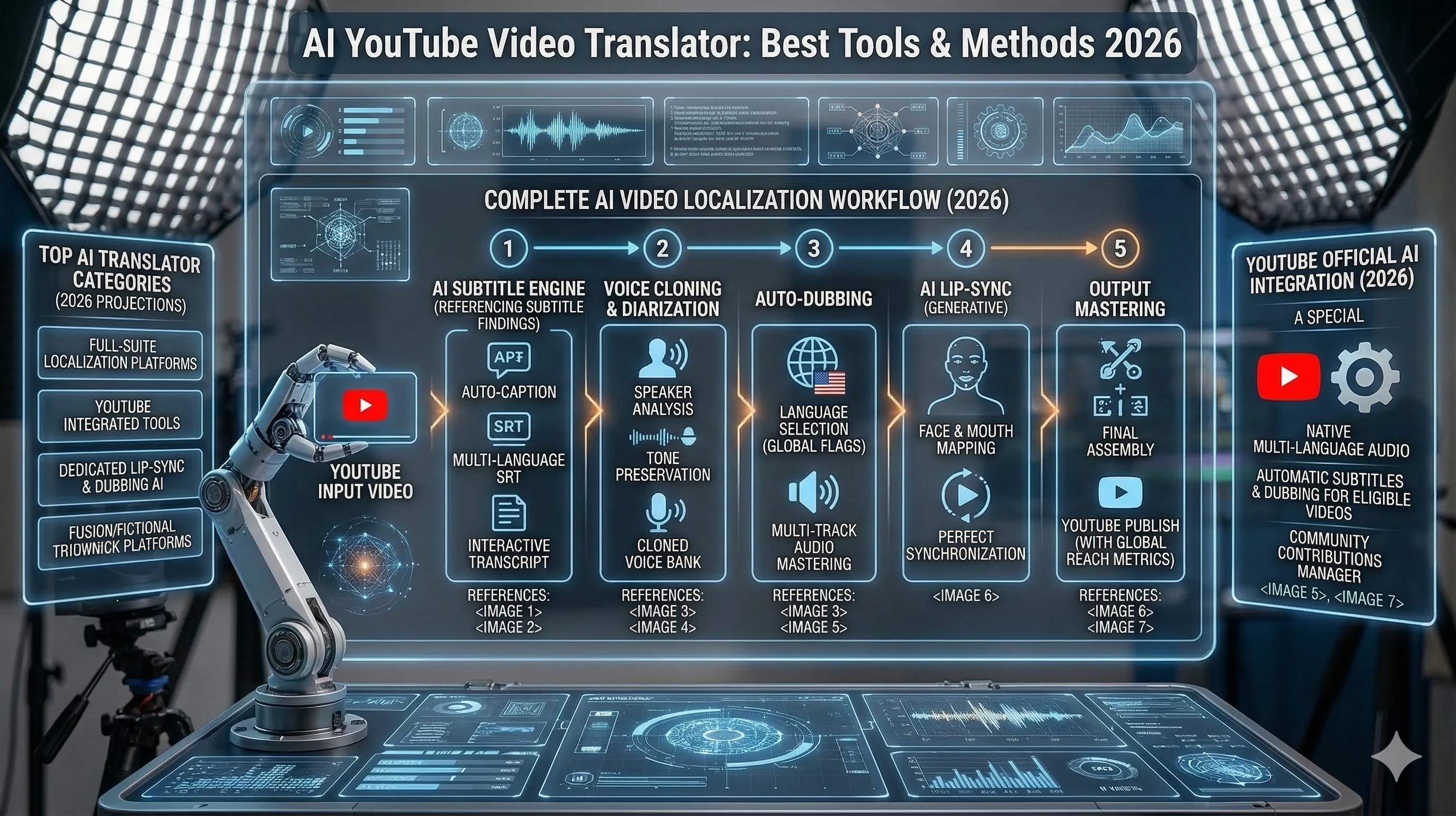
AI YouTube Video Translation: Best Tools, Methods & Results 2026
AI Lip Sync in Production: How MuseTalk and Sync.co Really Work