
How We Built an AI Content Production System (Not Just Tools)
Most AI products today stop at generation. You give a prompt. You get an output. But real content creation doesn't work like that. Content is not a single step — it's a system. We built an AI-powered content production system — from inspiration → generation → distribution.
The Problem: AI Can Generate, But It Can't Scale Content
Tools like ChatGPT, Midjourney, and other generative models are powerful. But if you're a creator, marketer, or builder, you quickly run into limitations: No consistent source of ideas, outputs are unstructured and hard to reuse, no built-in distribution strategy, and no feedback loop to improve content. You can generate one great piece, but you can't build a system.
Our Approach: Build a Content System, Not a Tool
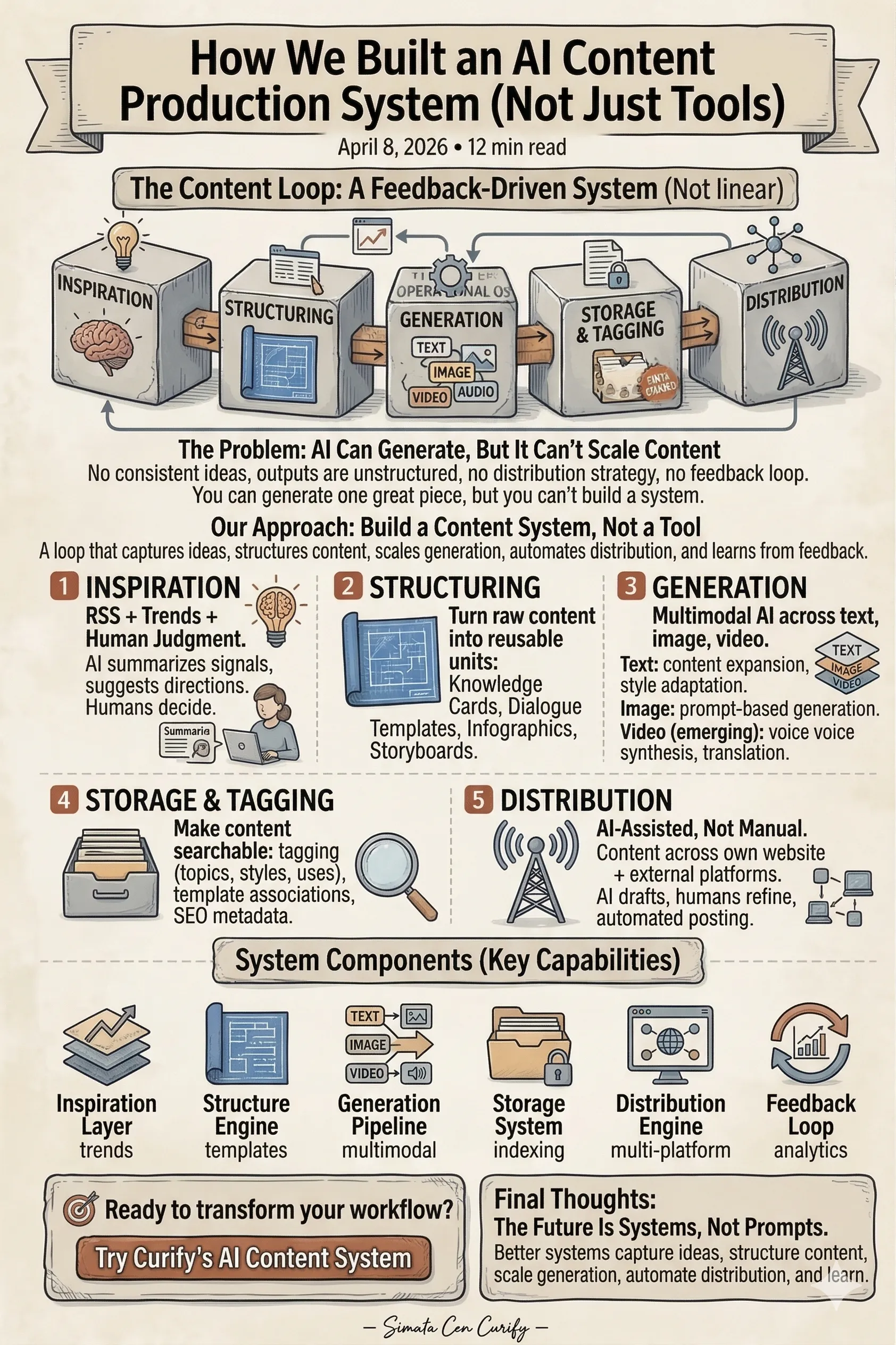
We designed our system as a loop: Inspiration → Structuring → Generation → Storage → Distribution → Feedback (SEO). This is not a linear pipeline. It's a feedback-driven system that improves over time.
How It Works
1. Inspiration: Combining RSS, Trends, and Human Judgment
Every content system starts with ideas. We built a lightweight inspiration layer that pulls signals from RSS feeds, trending topics, and existing high-performing content. Then we use AI to summarize signals, extract key themes, and suggest potential content directions. But here's the key: AI suggests. Humans decide. We keep a human-in-the-loop to ensure relevance and quality.
2. Structuring: Turning Content Into Reusable Units
Most AI tools generate raw outputs. We don't. We transform content into structured, reusable formats, such as visual knowledge cards, dialogue templates, educational infographics, and storyboards for video. This allows us to standardize content, scale generation, and improve consistency. We don't generate raw content. We generate structured content units.
3. Generation: Multimodal AI Across Text, Image, and Video
On top of structured templates, we apply AI to generate content. Text: content expansion, translation (multi-language support), tone/style adaptation. Image: prompt-based visual generation, template-driven layouts. Video (emerging layer): speech recognition, subtitle generation, translation, voice synthesis (TTS / voice cloning), storyboard labeling. This is where multimodal AI becomes critical: text + image + audio + video → unified content pipeline.
4. Storage & Tagging: Making Content Discoverable
Once content is generated, we don't just store it. We make it searchable and explorable: tagging (topics, styles, use cases), template associations, metadata for SEO. This enables better internal discovery, scalable content libraries, and SEO indexing.
5. Distribution: AI-Assisted, Not Manual
Most creators underestimate distribution. We treat it as a first-class system. We distribute content across our own website (SEO + feeds) and external platforms like X (Twitter) and Facebook groups. Instead of fully manual posting, we use a hybrid approach: AI drafts content, humans refine, automated posting systems handle execution. Distribution is no longer manual. It's AI-assisted.
The System Components
Inspiration Layer: RSS feeds, trend analysis, content performance metrics
Structure Engine: Template system, content modularization, format standardization
Generation Pipeline: Text AI, image AI, video AI, audio processing
Storage System: Metadata tagging, search indexing, content relationships
Distribution Engine: Multi-platform publishing, automated scheduling, performance tracking
Feedback Loop: SEO analytics, user behavior analysis, content optimization
Try It Yourself
If you're exploring multilingual content, AI-assisted creation, or scalable content workflows, you can try part of our system. We've built tools that embody these principles - from structured content generation to automated distribution workflows.
Final Thoughts: The Future Is Systems, Not Prompts
The next wave of AI won't be defined by better prompts or better models. It will be defined by better systems. Systems that capture ideas, structure content, scale generation, automate distribution, and learn from feedback. That's what we're building.
Take the next step
Putting what you read into practice.
Browse related topics
More templates and prompts in these areas.
Related Articles
Content Automation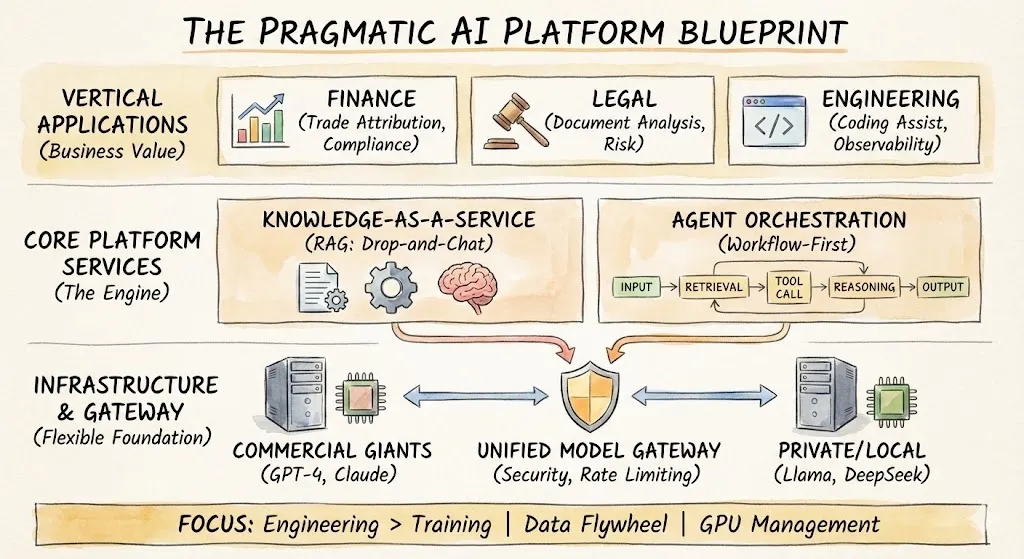
Practical AI Platform: How Mid-Sized Tech Companies Win with AI
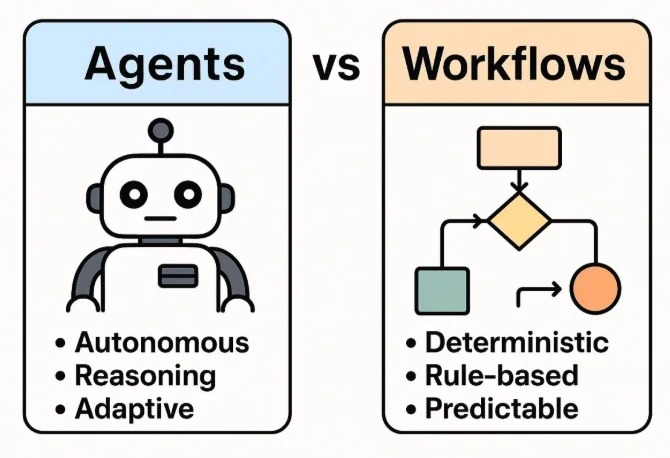
Part 2: Agents vs Workflows – From Control to Intelligence