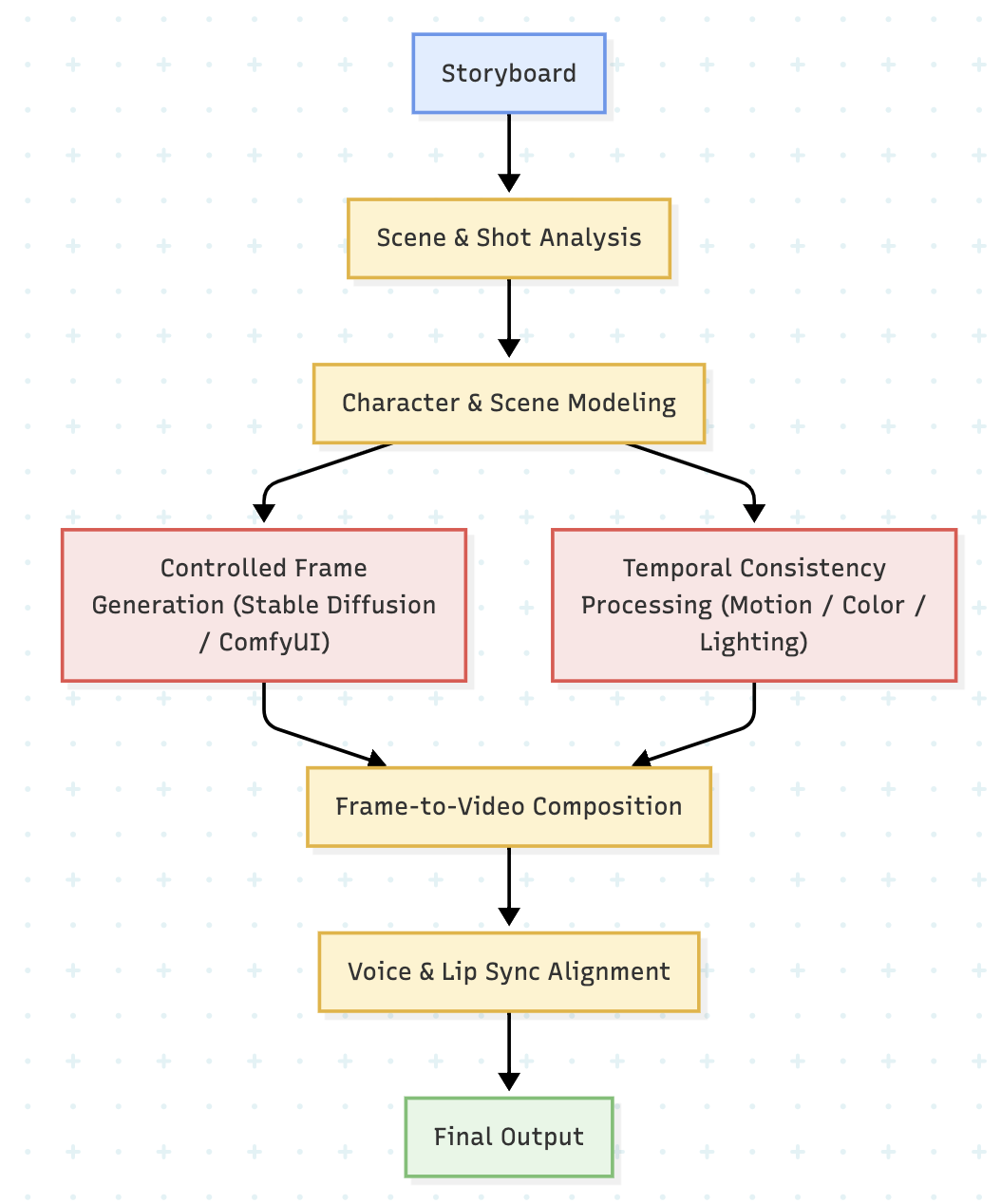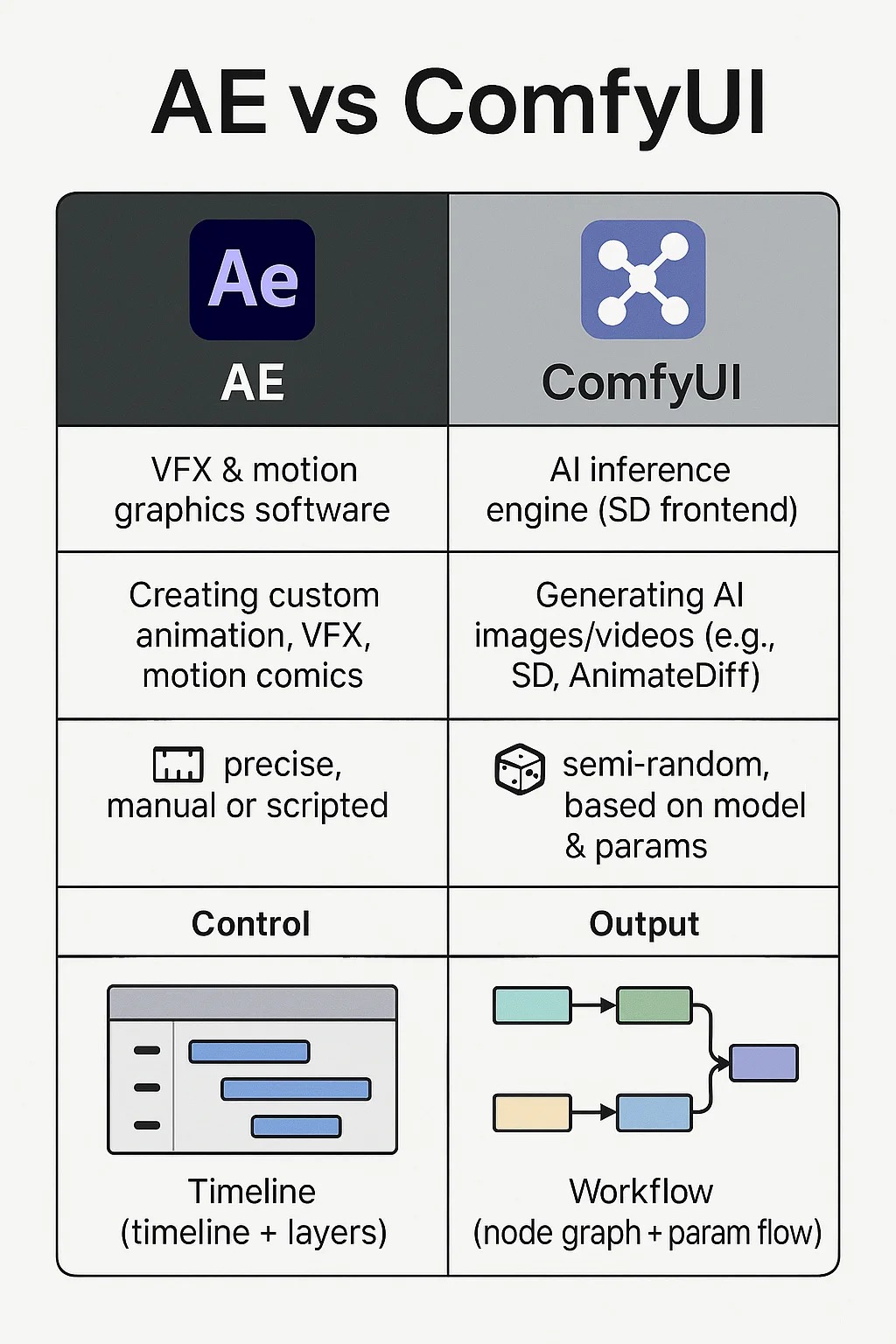
🤖 Agents vs Workflows
Many successful AI creators today (like NanoBanana) rely on carefully engineered workflows — scripted pipelines for writing, dubbing, editing, and publishing.
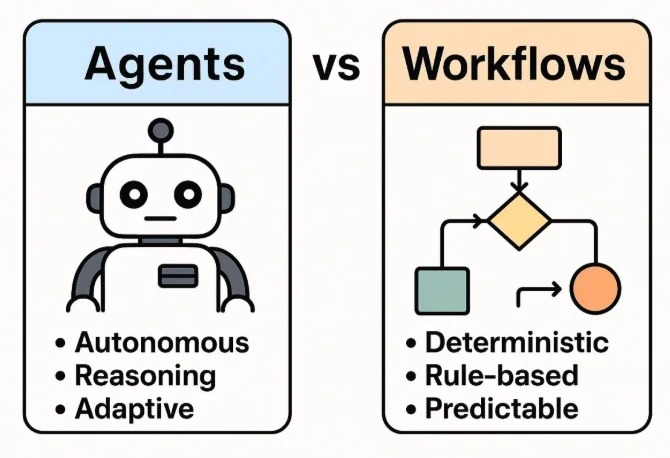
But agents are different. As Anthropic puts it: “Workflows are predictable. Agents are adaptive.”
At Curify, workflows ensure consistency and scale (e.g., subtitle extraction and muxing), while agents introduce adaptive intelligence:
- Post-editing translations based on context
- Adjusting pacing or emotional tone in dubs
- Understanding intent and speaker sentiment
Understanding Workflows: The Foundation of Automation
Workflows are the backbone of content automation—structured, repeatable processes that execute predefined steps in a specific sequence. Think of them as assembly lines for digital content, where each station performs a precise operation before passing the result to the next stage.
Key Characteristics of Workflows:
- Predictable: Same input always produces the same output
- Deterministic: Every step follows a predefined path
- Scalable: Can process multiple items consistently
- Debuggable: Easy to identify and fix issues
- Efficient: Optimized for speed and resource usage
Common Workflow Examples
🎬 Video Processing Pipeline
- Extract audio from video file
- Generate transcript using speech recognition
- Translate transcript to target languages
- Generate time-synced subtitles
- Mux subtitles back into video
- Export final localized version
🎨 Content Creation Workflow
- Generate script outline using AI
- Create storyboard frames
- Generate voice narration
- Assemble video with transitions
- Add background music and effects
- Render final output
AI Agents: The Rise of Adaptive Intelligence
AI agents represent a paradigm shift in automation—they're not just following scripts, but making intelligent decisions based on context, goals, and real-time feedback. Agents can perceive their environment, reason about problems, and take actions to achieve specific objectives.
Key Characteristics of Agents:
- Adaptive: Adjusts behavior based on context and feedback
- Autonomous: Makes decisions without explicit programming
- Goal-oriented: Works toward specific objectives
- Context-aware: Understands nuances and implications
- Learning: Improves performance over time
Agent Capabilities in Action
🧠 Content Quality Agent
- Analyzes video for technical quality issues
- Detects audio problems and suggests fixes
- Evaluates translation accuracy and cultural fit
- Recommends pacing adjustments for engagement
- Identifies opportunities for enhancement
🎭 Creative Direction Agent
- Understands brand voice and tone guidelines
- Adapts content for different cultural contexts
- Suggests creative improvements and variations
- Optimizes content for specific platforms
- Maintains consistency across campaigns
The Synergy: When Workflows Meet Agents
The most powerful content automation systems don't choose between workflows and agents—they combine both. This hybrid approach leverages the reliability of workflows for routine tasks while deploying agents for intelligent decision-making and creative problem-solving.
🚀 The Curify Hybrid Approach
Workflow Layer
Handles predictable, repeatable tasks with perfect consistency
Agent Layer
Provides intelligent decision-making and creative adaptation
Orchestration
Coordinates both layers for optimal results
Real-World Example: Video Localization
- Workflow: Extract audio → Generate transcript → Initial translation
- Agent: Analyzes cultural context → Adjusts tone → Ensures accuracy
- Workflow: Generate subtitles → Sync timing → Export video
- Agent: Quality review → Engagement optimization → Final approval
Choosing the Right Approach
Understanding when to use workflows versus agents is crucial for building effective content automation systems. Here's how to decide:
| Scenario | Best Approach | Why |
|---|---|---|
| Batch video processing | Workflow | Predictable, repeatable, needs consistency |
| Content quality assessment | Agent | Requires judgment, context, and nuance |
| Subtitle generation | Workflow | Technical process with clear rules |
| Cultural adaptation | Agent | Needs understanding of cultural nuances |
| File format conversion | Workflow | Deterministic technical operation |
| Creative optimization | Hybrid | Combines technical processing with creative decisions |
Building Your Hybrid System
Creating an effective content automation system requires thoughtful architecture. Here's how to approach it:
1. Start with Workflows
Identify repetitive, predictable tasks that can be automated. Build reliable workflows first to establish a solid foundation.
2. Identify Agent Opportunities
Look for areas requiring judgment, creativity, or adaptation. These are perfect candidates for AI agents.
3. Design Integration Points
Create clear interfaces where workflows can invoke agents and agents can trigger workflow steps.
4. Implement Feedback Loops
Enable agents to learn from workflow outcomes and workflows to adapt based on agent recommendations.
5. Monitor and Optimize
Continuously measure performance and refine both workflow and agent components.
⚡ Quick Start Guide
Ready to implement this hybrid approach? Here's your action plan:
🛠️ Tools You'll Need
- Workflow engine (Airflow, Prefect, or custom)
- AI agent framework (LangChain, AutoGPT, or similar)
- API access to language models
- Content processing tools (FFmpeg, etc.)
📋 First Steps
- Map your current content pipeline
- Identify automation opportunities
- Start with one workflow + one agent
- Measure and iterate
The Future of Creative Automation
As AI technology continues to evolve, the line between workflows and agents will blur. We're moving toward systems that can automatically determine the best approach for any given task, dynamically switching between deterministic processing and adaptive reasoning.
The key takeaway for creators and developers is this: don't choose between workflows and agents—embrace both. Workflows give you the reliability and scalability needed for professional content production, while agents provide the intelligence and creativity that set your content apart.
The future of creative automation lies in harmony: workflows provide control, agents bring creativity, together they deliver exceptional results.
Take the next step
Putting what you read into practice.