
Join Curify to Globalize Your Videos
By using Curify, you agree to our
Terms of Service and Privacy Policy
Browse high fashion and avant-garde AI visuals and prompts — runway-inspired looks, bold silhouettes, and conceptual editorial styling.
Explore the world of high fashion and avant-garde creativity with our curated collection of AI templates, examples, and prompts. This gallery is perfect for designers looking to push the boundaries of style, educators seeking innovative teaching materials, and creators wanting to inspire their next project. Dive into runway-inspired looks, bold silhouettes, and conceptual editorial styling through the diverse templates and examples listed below.
Explore further
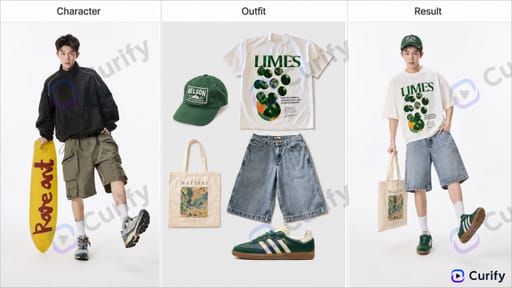
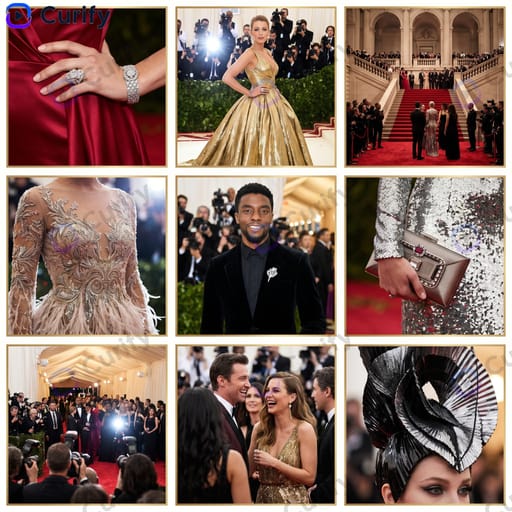
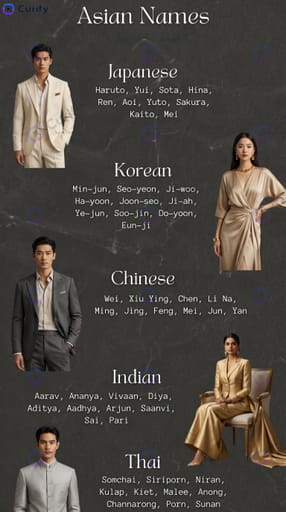
Need the whole High Fashion set, not just one?
Every Curify template runs in bulk. Send the list — SKUs, words, characters, teams, scenes — and we return the full set generated against one locked visual direction, so the line reads as a collection instead of forty unrelated images.
- Works on any template, not a special few — the same prompt structure applied across your whole list.
- One locked visual direction across the set, so a 40-design line stays on-brand end to end.
- Production-ready output where the format calls for it — die-cut paths, dielines, print resolution.
Gallery
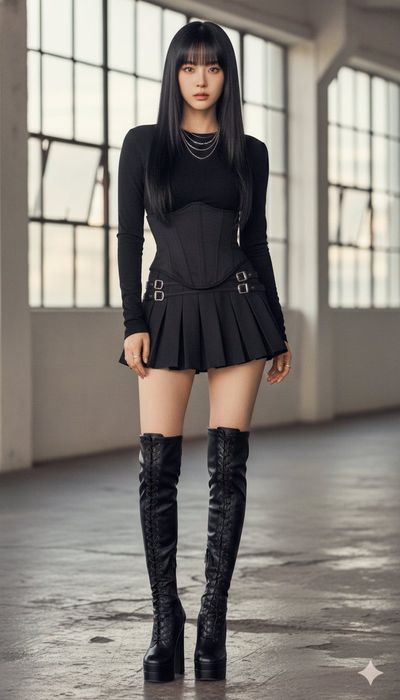
Chic in Black: East Asian Idol Fashion Redefined
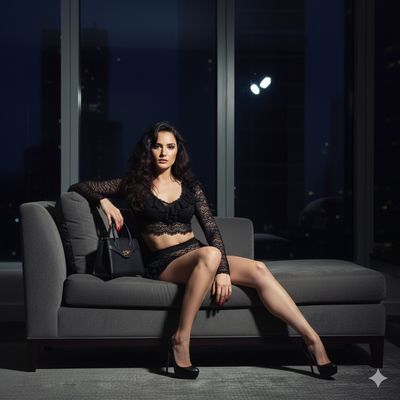
Chic Nightlife Elegance: The Gemini Nano Banana 3.0 Pro
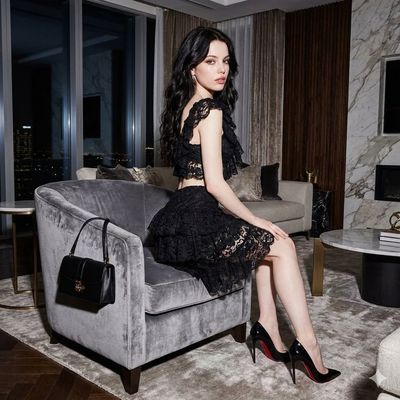
Glamour and Edge: The Gemini Nano Banana 3.0 Pro Unleashed
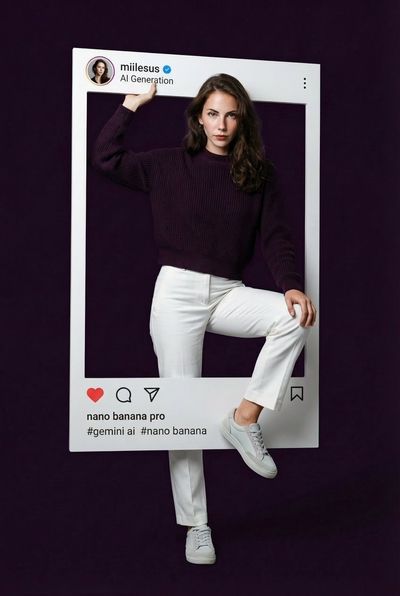
Modeling a Moment: The Art of Instagram Realism
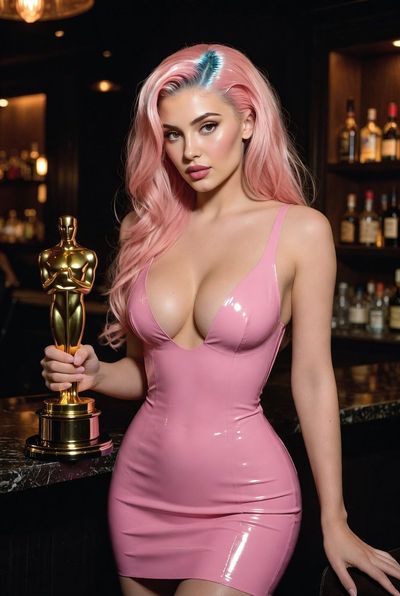
Glamour Meets Glory: The Night of Pastel Elegance
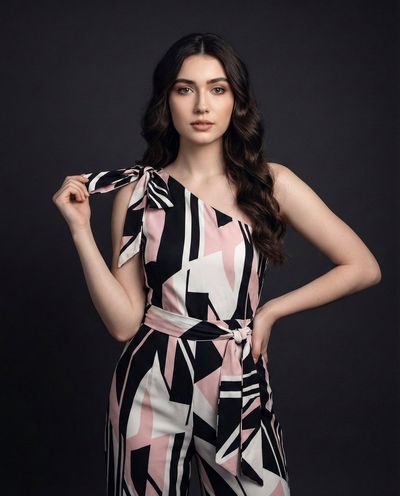
Unveiling Confidence in Couture: Gemini Nano Banana Pro
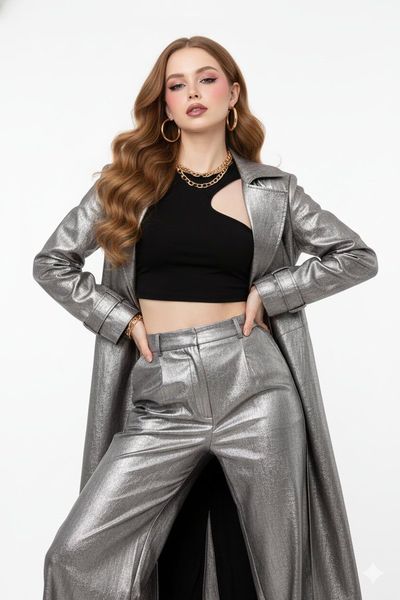
Futuristic Elegance: A Metallic Marvel Unveiled
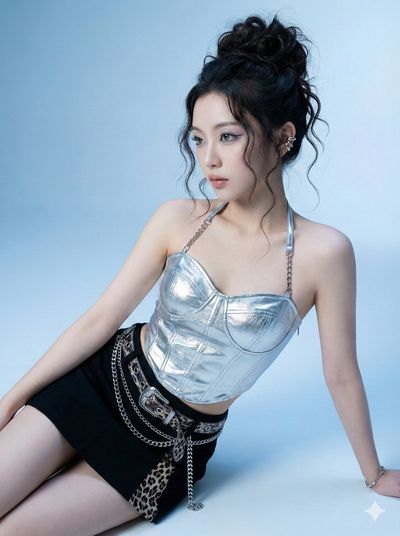
Futuristic Glam: A Metallic Dreamscape
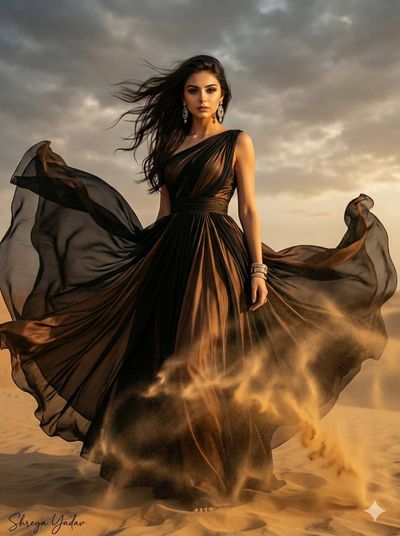
Windblown Elegance: Desert Couture Unleashed
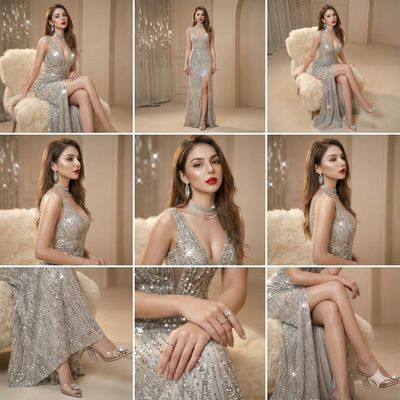
Glamour Unleashed: A Diamond-Studded Elegance
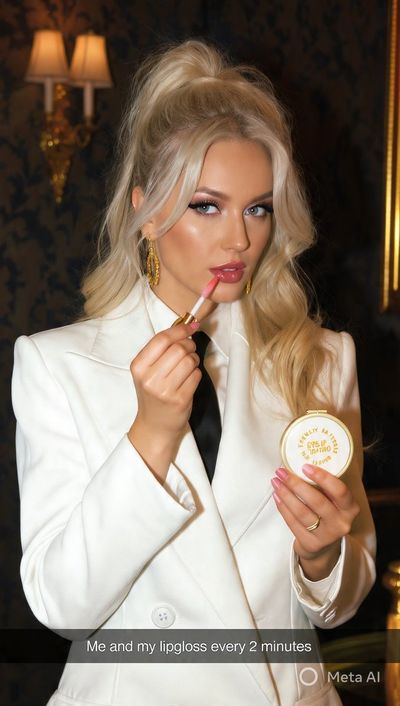
Glossy Moments: A Chic Ode to Lip Care
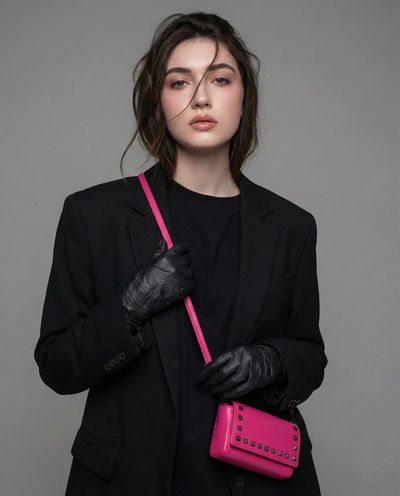
Unveiling the Unconventional: Gemini Nano Banana 3.0
Templates
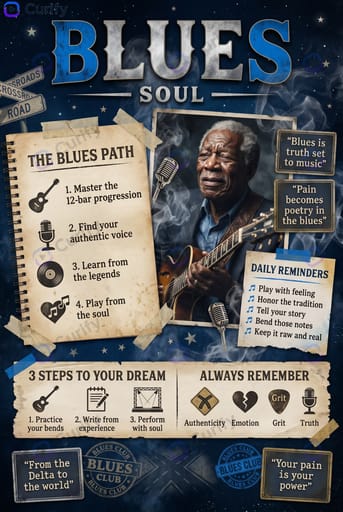
About High Fashion
High fashion is the editorial end of the spectrum — couture silhouettes, conceptual styling, and runway-inspired imagery made to be looked at rather than worn to the shops. Curify renders avant-garde looks, dramatic lighting, and magazine-style compositions from a description or a reference photo.
How to create high-fashion visuals
- 1Pick an editorial or avant-garde template — runway look, conceptual portrait, or collection poster.
- 2Describe the silhouette, fabric behaviour, and mood, or upload a reference figure.
- 3Push the styling: exaggerated proportion, sculptural volume, unexpected material.
- 4Refine lighting and background until it reads as editorial rather than catalogue.
What you can make
- Runway-inspired looks and conceptual silhouettes.
- Editorial covers and fashion-magazine spreads.
- Avant-garde styling boards for a collection concept.
- Dramatic beauty and couture portraits.
- Moodboards for a season or a creative direction.
High fashion FAQ
- What makes an image read as high fashion rather than a normal outfit photo?
- Proportion and lighting more than the garment. Editorial work exaggerates silhouette, commits to a single strong light, and treats the background as part of the composition. Describing those explicitly matters more than naming a designer.
- Can I design a couture piece that could actually be made?
- Treat the output as a concept, not a pattern. It is useful for direction, pitch decks, and moodboards; an actual garment still needs a technical drawing and measured pattern.
- Can I reference a specific designer or house?
- Describe the aesthetic — volume, palette, era, construction — rather than naming a living designer or a house. You get closer to what you want and avoid trading on someone else's brand.