From Months to Minutes: A Multi-Modal AI Pipeline for Bilingual Educational Publishing
A bilingual illustrated workbook for early-childhood education needs an illustrator (3-6 months), a translator pass, voiceover talent at $150-$1,000 per finished hour per language, and a desktop publisher to align everything. Three modalities × multiple specialists × serial coordination = month-scale lead times that have not budged since the print era. Replacing the illustrator with a generative model gives you faster slop, not a workbook — character drift, art-direction inconsistency, and unreliable typography make probabilistic AI unusable for series content. The shift that actually moves the needle is an engineering one: lock the probabilistic models behind deterministic templates, route structured data through them, and chain the output into audio and video pipelines that hold the same brand contract. This guide walks the architecture and the production numbers from a working implementation.
What "Deterministic Multi-Modal Pipeline" Means in Practice
Three load-bearing words:
Deterministic: Same input produces the same output across runs. Visual templates lock seed, art direction, grid layout, typography, color palette, and aspect ratio so card #1 and card #1,000 conform to the same brand contract. The publisher decides the contract once and the pipeline enforces it forever.
Multi-modal: Image, audio, and video tracks render from one structured-data source. A single row in a JSON file or spreadsheet fans out to flashcard image + narrated audio + slide video without the data ever being re-entered. The data is the source of truth; every modality is a downstream rendering of it.
Pipeline: State-machine orchestration with checkpoint recovery. Failures at step 5 do not invalidate steps 1-4; the system retries from the last good checkpoint without burning tokens or breaking consistency. A 100-card set survives a transient TTS API outage without manual cleanup.
The combination is what unlocks series production. Traditional handicraft and naive generative-AI experiments both fail series-scale work for the same reason: no shared contract across assets. Deterministic templates are the contract.
Four-Stage Pipeline From Structured Data to Published Asset
Step 1: Author the Structured Data, Not the Pages
The input is a JSON object (or spreadsheet row) per asset. For a "musical instruments" bilingual flashcard set, that is 8 rows × columns english_word, target_language_word, pronunciation, and category. Two-hundred rows for a vocabulary primer. A thousand rows for a graded-reader series.
The publisher's work shifts from page-by-page production to data design — getting the dictionary right is the whole creative job. Which 200 words actually serve grade-1 ESL learners? Which 100 facts hit the curiosity peak for an 8-year-old? That curation is what publishing teams already know how to do; the pipeline absorbs the production overhead that used to consume most of their bandwidth.
Once the data exists, the rest is the pipeline's problem.
Step 2: Render Through a Locked Template (Not a Prompt)
The visual template — in Curify's case a Nano Banana template like template-vocabulary — has seed, art direction, grid layout, typography, color palette, and aspect ratio hard-coded inside the engine. The user does not write a free-form prompt; they pass the structured-data row through.
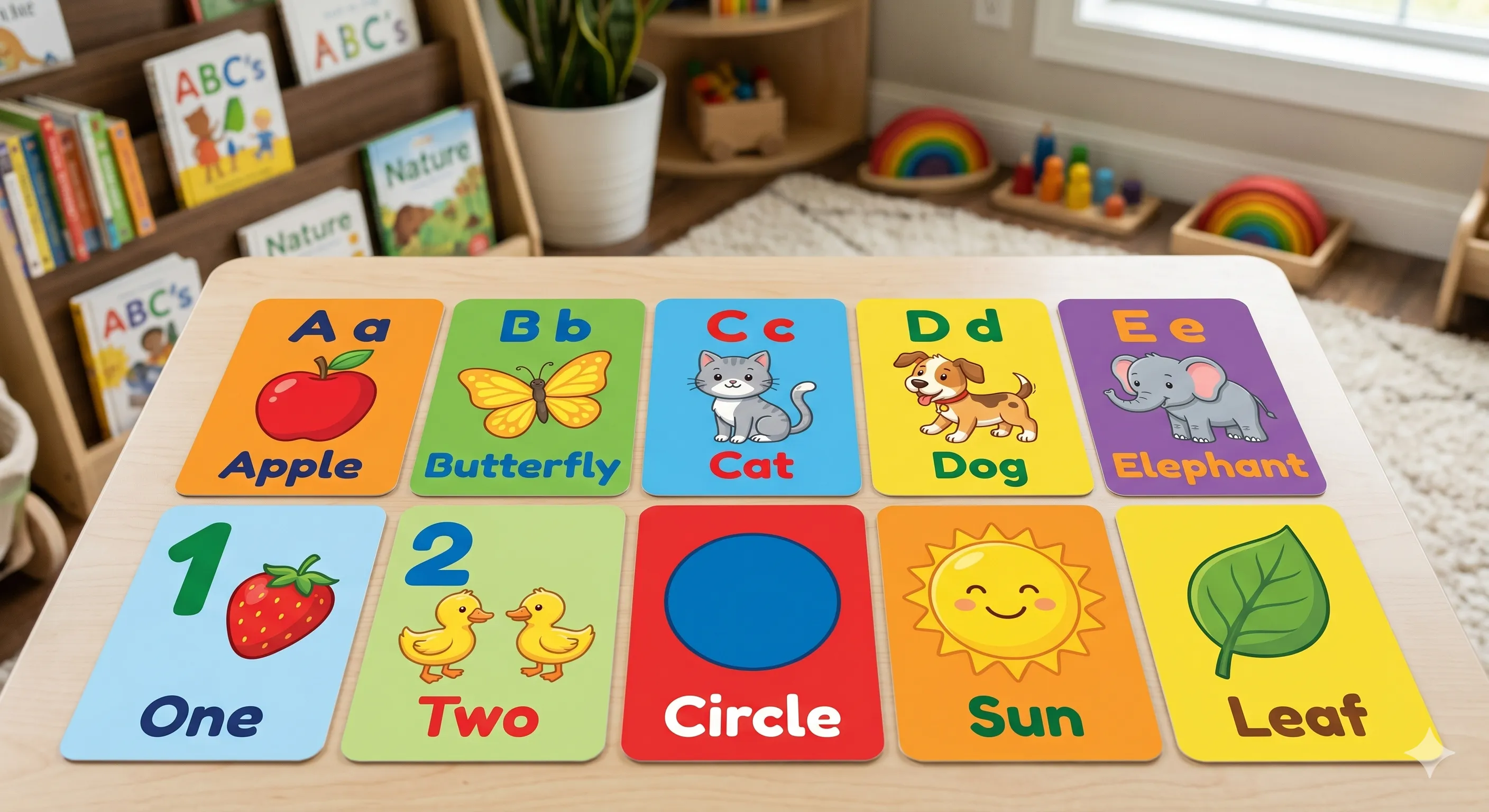
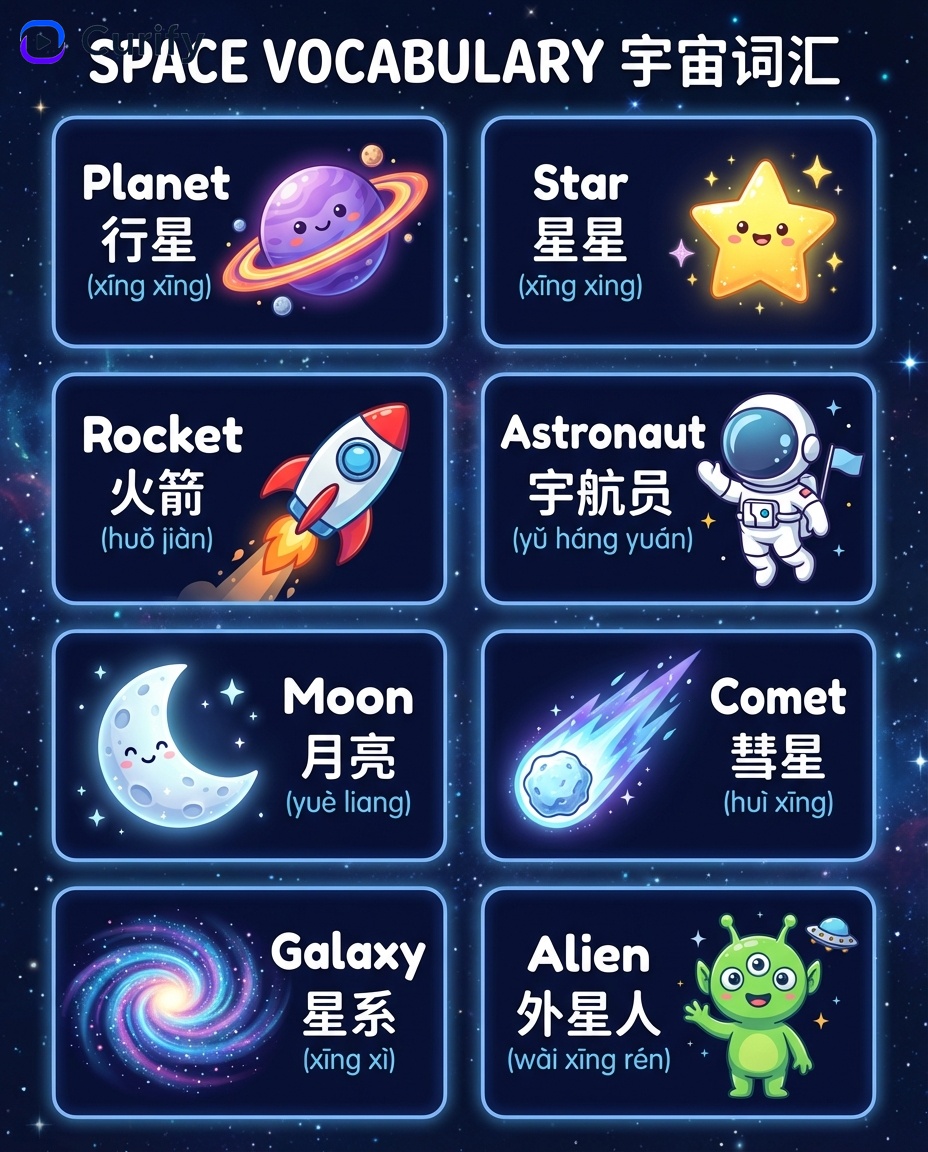
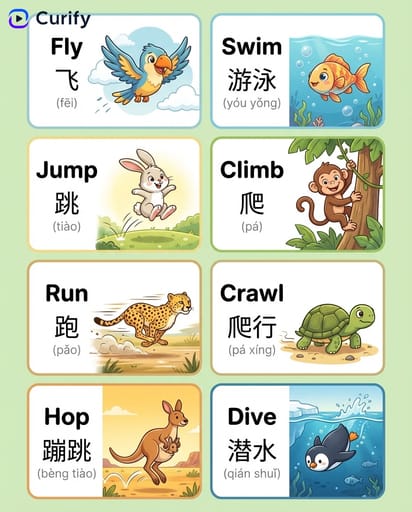
For a vocabulary set, template-vocabulary produces a 4×2 grid of bilingual flashcards: source-language word, target-language word, pronunciation guide, plus a cartoon illustration in a fixed art style per card. Eight cards from one call. The same template, called with a different data row tomorrow, produces a card that visually belongs to the same set.
The same pattern handles adjacent content types:
template-species-sciencefor photorealistic scientific reference plates with anatomically accurate species illustrations and bilingual annotation
weird-science-factsfor high-engagement bilingual science posters (Jupiter's diamond rain, the octopus's three hearts, 3,000-year-old honey that never spoils)
template-mbti-characterfor character-driven series with locked universe styling
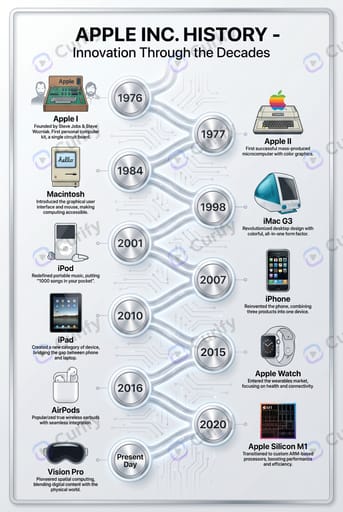
template-history-timeline-infographicfor evolution timelines
Each template is a contract: call it once or call it a thousand times, the output conforms to the same brand specification.
Step 3: Narration via Zero-Shot Cross-Lingual Voice Cloning
A 60-second reference clip of the brand's spokesperson voice is enough for F5-TTS — open-source, non-autoregressive flow-matching with a diffusion transformer backbone — to produce cloned narration in any target language with the same voice identity. No re-recording per language. No separate voice actor per market.
The narration generation runs as a downstream stage on the same structured-data input. The english_word, target_language_word, and pronunciation fields drive the audio synthesis directly, with the cloned voice carrying the brand's spokesperson identity into Mandarin, Spanish, Japanese, or any other target locale.
What this replaces: $150-$1,000-per-finished-hour voice-actor sessions, multiplied by N languages, multiplied by N retakes (industry reports often cite total costs of $800-$2,000 for a single 10-hour audiobook). The cost shifts from thousands of dollars per language pack to compute-minutes.
Honest limitation: emotional range on a zero-shot clone is narrower than what a trained voice actor delivers. For narrative read-aloud and educational delivery, this is fine. For dramatic performance — character voices in a graded-reader story, theatrical scenes — the pipeline still benefits from professional voicing, or from ElevenLabs Professional Voice Cloning's wider expressive range at higher per-character cost.
Step 4: Assemble Video From the Asset Bundle
The image set and narration audio flow into the video assembler. Two assembly modes:
Slide-format video (the standard for vocabulary and science content): the assembler stitches images to audio with brand-template-driven transitions, on-screen bilingual text overlays, and consistent pacing. Cards appear in sync with the corresponding narration; transitions match the rhythm of the audio waveform; brand identifiers (logo, channel-card framing) overlay automatically.
Talking-head video (for instructor-led explainers): MuseTalk or Sync.co handles lip-sync alignment of the cloned voice to a presenter visual. Dual-channel speech-plus-subtitle recognition keeps alignment frame-tight even on rapid-pacing content.
The output is a publish-ready vertical (3:4 or 9:16 for short-form distribution) or horizontal (16:9 for long-form) video that holds the same brand contract as the source images and audio. Same data row, three modalities, one source of truth.
Where the Naive Approach Fails
Three common failure patterns and the fixes:
Character drift across a series: A free-prompt approach to Stable Diffusion or Midjourney gives a usable card #1 and visually unrelated cards #2-100. Bolting on ControlNet, IP-Adapter, or Textual Inversion helps with character identity but leaves typography, grid layout, and brand-color drift unsolved — and maintaining a ComfyUI node network is wrong work for a publishing editor. Fix: a locked template above the model, not parameter tuning inside it.
Audio/visual desync at scale: Generating narration after the visuals are finalized invites pacing and timing mismatches. Fix: drive both modalities from the same structured-data input and align via dual-channel speech-plus-subtitle recognition tied to the data row, not the rendered media.
State loss on failure: Long pipelines fail somewhere. Rebuilding from scratch on every failure burns tokens, breaks consistency across the resumed run, and trains the team to distrust the pipeline. Fix: state-machine orchestration with checkpoint recovery. A failure at step 5 resumes from step 4's output with backoff retry; the operator sees a continued run, not a restart.
None of these fixes are model improvements. They are engineering choices about how to wrap the model — which is why generic LLM and image-model upgrades rarely move the needle on series production for publishers.
Tools & Resources
Learn about the best tools available...
How Curify Studio Implements the Pipeline
Curify ships the deterministic-template layer (Nano Banana) and the multi-modal assembly pipeline as a production system. The template library covers the most common educational content shapes — bilingual vocabulary flashcards, scientific reference plates, weird-science-fact posters, MBTI-character series, history-timeline infographics. Each template is parameter-driven, so a publisher's structured data (JSON, spreadsheet, or CMS export) flows through without re-keying.
The audio layer integrates F5-TTS for cross-lingual cloning by default and provides hooks for ElevenLabs Professional Voice Cloning where higher emotional range justifies the cost. Video assembly uses MuseTalk for talking-head lip-sync and a slide assembler for narrated visual content. The orchestration layer handles state, retries, and checkpoint recovery so production pipelines survive intermittent failures.
For publishers running their own infrastructure or with brand contracts that fall outside the standard library, Curify also offers custom template development. The template library is extensible; a custom template enforces the publisher's own brand contract, not a generic one. Pricing and engagement on custom work are sized to publishing economics rather than per-seat SaaS — the goal is to make the template a long-term production asset, not a recurring subscription line item.
The Moat Moves From Production Scale to Data Design
For most of publishing's history, the competitive moat was production scale — illustrators on payroll, recording studios under contract, the production manager who could meet a school-district release date. Deterministic AI pipelines collapse that moat. The cost of producing 100 bilingual flashcards or a series of narrated science explainers approaches zero per asset; what does not approach zero is knowing which 100 cards to produce.
The new moat is structured-data design: which vocabulary set to build, which scientific facts to surface for which grade level, how to localize an educational concept across cultures without flattening it. That work is curatorial, pedagogical, and market-analytical — exactly what publishing teams already do well, freed from the production overhead that consumed most of their bandwidth.
Publishers who treat AI as a faster illustrator will get faster slop. Publishers who treat their template library as their production line — versioned, tested, and extended by engineering investment — will ship at a cadence the handicraft model cannot match. The strategy work is choosing which contracts the templates enforce, and which data to pour through them.
Popular Template Examples
Explore our most popular Nano Banana prompt templates to see what's possible:



Take the next step
Putting what you read into practice.
Browse related topics
More templates and prompts in these areas.
Related Articles
Content Automation
The AI Content Factory: Why Marketing Agencies Need to Stop Buying Tools and Start Building Pipelines
From Probabilistic to Deterministic: Hard Truths About AI Engineering in Production