MBTI Character Generator: Visual Cards for Characters You Already Know
Nobody searches for a random personality — they search for a name. Pick the universe your character lives in, type the name, and get a 3:4 MBTI card styled to that world.
Ready to make one? MBTI generator — pick any cast and a scene, and get a 3:4 card of how each type reacts.
Random MBTI generator
Press the button for one of the 16 types — then turn it into a character card.
Pick a universe and generate
No sign-up to look around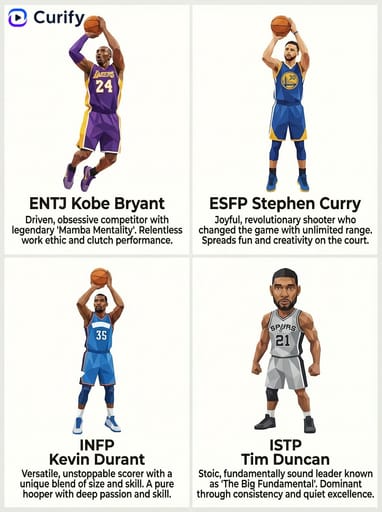
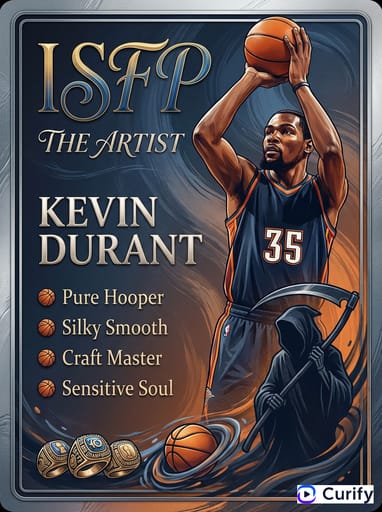
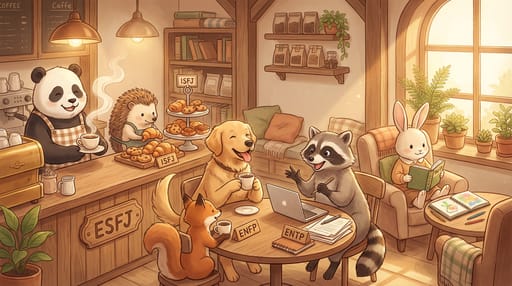
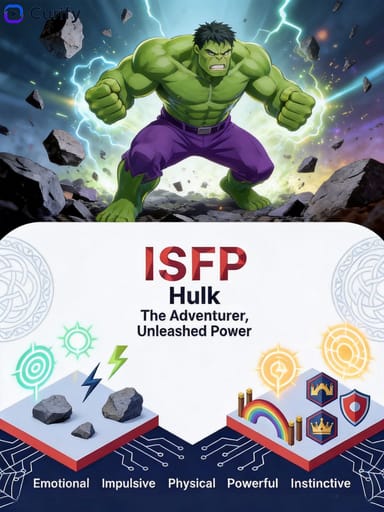
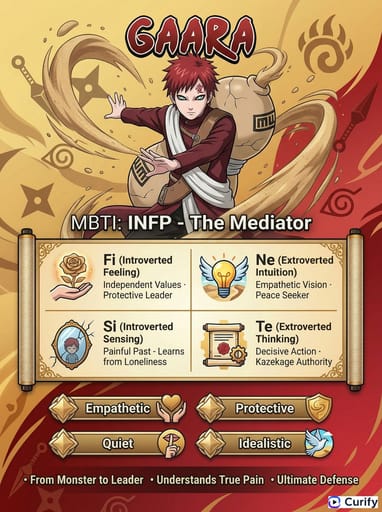
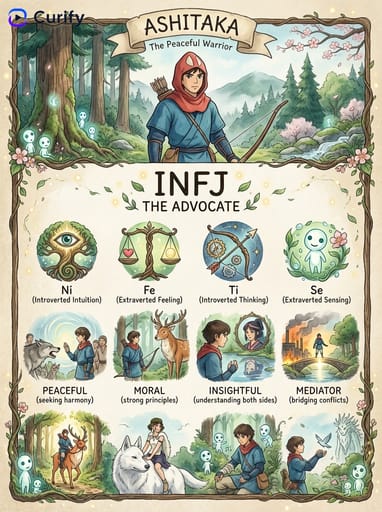
MBTI-generator searches almost never start with "give me a random personality". They start with a specific name — "What MBTI is Rip Wheeler?", "Beth Dutton personality type", "Hulk MBTI". People want a read on someone they already know, not a 16-archetype quiz. Each template here is a visual designer for one universe, and the output is a vertical 3:4 card you can save, share, or stitch into a series.
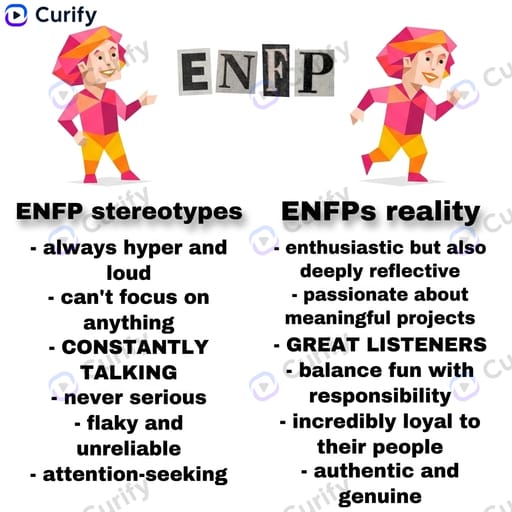
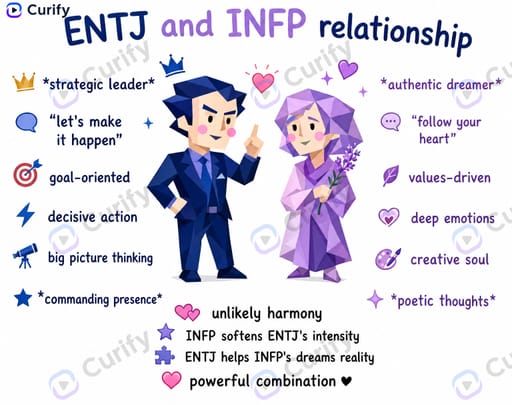
Below: how the card generator works, 382 worked character examples already on the site, and the two templates that aren't single-character — contrast for type-vs-type comparisons and stereotype-vs-reality for the reaction-format cards you see on social. Every example is a one-click remix: pick the closest character, swap the name.
10 Universes, One MBTI System
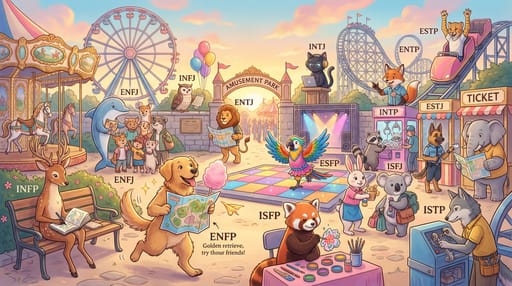
Pick the universe you already know — Marvel (66 examples), NBA (30), Silicon Valley (42), Breaking Bad (24), Ghibli (23), Naruto (14), Yellowstone (11), Animal (49), plus the generic 16-type template (75) and Friends. Type a character name and get a 3:4 personality card styled to that show.
Pro Tip
How the MBTI Card Generator Works
Pick a Universe, Type a Name, Get a Card
Each template is a single-universe visual designer (Yellowstone ranch styling, Marvel comic-vector, NBA collectible card, Breaking Bad gritty industrial). The user input is just the character name. The system fills in the MBTI type, cognitive functions, traits, signature props, and styling — output is a vertical 3:4 image you can save, share, or stitch into a series.
What the User Actually Types
Basic MBTI Character Prompt
Two Yellowstone Examples (11 More in the Template)
Beth Dutton
Key Traits:
Beth Dutton (ENTJ) Prompt
Rip Wheeler
Key Traits:
Rip Wheeler (ISTP) Prompt
Why These Two
Beth (ENTJ) and Rip (ISTP) are the two characters that drive most of the search queries this page sees — "Beth Dutton personality type", "What MBTI is Rip Wheeler". The Yellowstone template ships 9 more pre-typed characters (John Dutton, Kayce Dutton, Jamie Dutton, Jimmy Hurdstrom, Lloyd Pierce, Monica Dutton, Teeter, Thomas Rainwater, Walker) plus the underlying template accepts any other Yellowstone character name.
- 11 Yellowstone characters in the template, each rendered as a 3:4 card with the rustic ranch styling
- Pre-typed MBTI assignments based on observable behavior across the series — not invented
- Each card includes cognitive functions, core traits, enneagram, and a closing tagline
- Browse the full Yellowstone gallery, or remix any card by swapping the character name
Two Templates That Aren't Single-Character
Type-vs-type contrast cards (27 examples) and stereotype-vs-reality reaction-format cards (16 examples) — both built for social posts, education slides, and fan content where one character isn't the right unit.
Popular Template Examples
Explore our most popular Nano Banana prompt templates to see what's possible:
Going Deeper
When the Default Card Isn't Enough
Each template lets you override the auto-filled fields if the default output isn't quite right — useful when you want a less common trait surfaced, a specific signature quote, or a different enneagram type than the default.
What You Can Override
- MBTI type — if you disagree with the default assignment for that character
- Cognitive functions — the four shown on the card (dominant, auxiliary, tertiary, inferior)
- Core traits — the 4–5 trait labels at the bottom of the card
- Signature quote — pulled into the quote box (Breaking Bad and Yellowstone templates)
- Enneagram type — shown in the bottom section as a separate diagram
Advanced ENFP Character Prompt
Three Ways to Iterate
If the first card doesn't land, three knobs are usually enough to fix it.
Swap the universe
Same character can read differently in Marvel vs Breaking Bad styling. If the Breaking Bad gritty look doesn't fit, the Marvel comic-vector template often does.
Override the MBTI type
Default assignments are anchored in observable behavior across the series, but reasonable people disagree. Pass mbti_type explicitly if you want INTJ where the default says ENTJ.
Override the traits
The 4–5 trait labels at the bottom carry most of the card's read. Swapping two of them often changes the whole impression.
Who Uses This
Concrete Use Cases We See in the Logs
Fan-Theory Posts
Reddit / Tumblr threads that argue a character's MBTI. The card is the visual the post is built around.
Tabletop NPC Sheets
GMs print the 3:4 card as a quick personality reference for major NPCs — the cognitive functions panel doubles as roleplay guidance.
Persona Pitch Decks
Brand teams use the contrast template to compare two customer personas side by side on one slide.
Teaching Aids
Stereotype-vs-reality cards work as classroom prompts to discuss how MBTI types are caricatured online.
Things That Tend to Trip People Up
- Don't fight the universe template — pick the universe where the character actually lives, not the one closest to your aesthetic preference
- If the character is obscure, fall back to the generic 16-type template — it doesn't need a famous IP to anchor the card
- The contrast template needs two MBTI types as input, not two character names — pick the types first, then write the characters into the trait fields
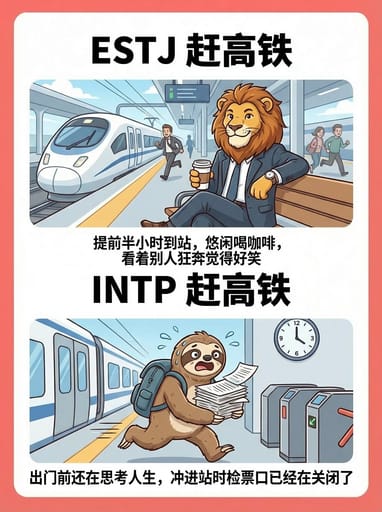
- Animal MBTI cards work surprisingly well for kids and education content — the abstraction takes the politics off the type assignment
Start with a Character You Already Know
Pick the universe you already follow, type the character name, and remix from there. The closer you start to a real recognizable personality, the less work the card has to do to feel right.