
Data Science in the Age of AI: Is the "Sexiest Job" Still Sexy?
"It was the best of times, it was the worst of times."
A decade ago, Harvard Business Review called Data Scientist the "sexiest job of the 21st century." Today, the landscape is shifting beneath our feet. While the demand for data talent remains high, the rise of Generative AI is fundamentally changing what it means to be a 'Data Scientist.'
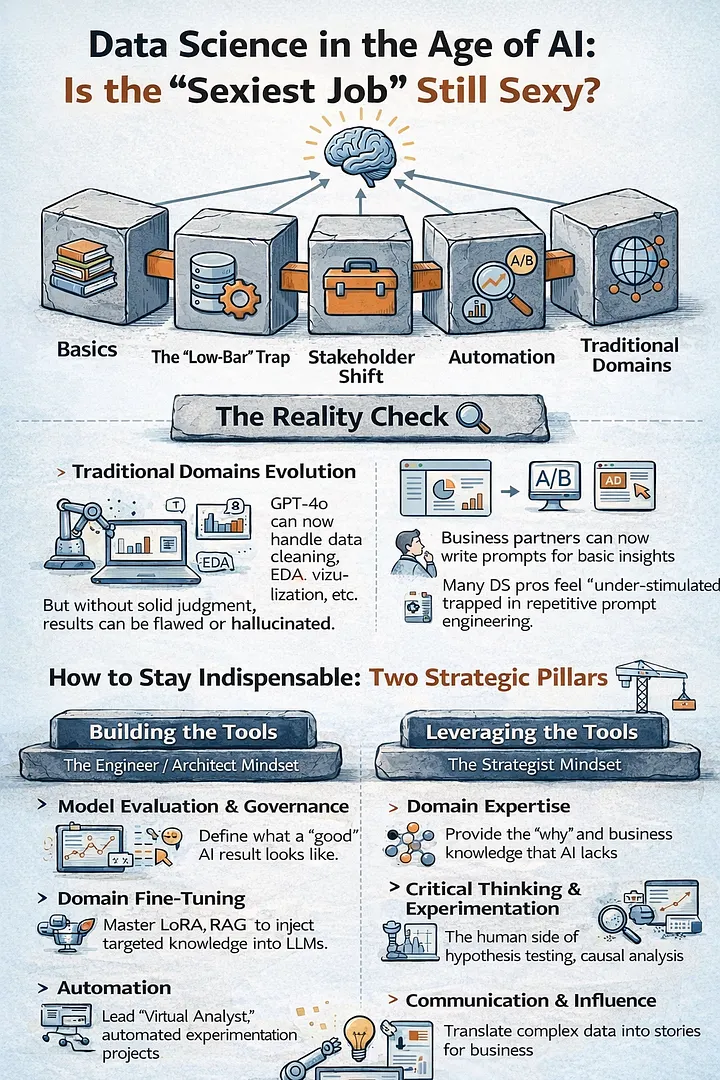
The Reality Check 🔍
Traditional domains like Search, Ads, and Recommendation (SAR) are maturing, and industry is shifting its focus toward heavy-duty engineering and AI architecture. We are seeing a strange paradox.
The "Low-Bar" Trap
Master's students can now use GPT-4 to handle data cleaning, EDA, and visualization in seconds. However, without a solid foundation, they often lack the judgment to know when AI is "hallucinating" or providing statistically flawed results.
Stakeholder Shift
When business partners can write their own prompts to get basic insights, many DS professionals feel "under-stimulated," trapped in endless meetings and repetitive prompt engineering.
How to Stay Indispensable: Two Strategic Pillars 🏗️
To thrive in this era, we need to evolve from 'builders of models' to 'architects of value.' I see this happening in two dimensions:
1Building Tools (The Engineer/Architect Mindset)
Don't just use AI; improve it.
- •Model Evaluation & Governance: As AI output becomes a commodity, the person who can define what a 'good' result looks like is the most valuable person in the room. Focus on specialized evaluation frameworks (like risk-weighting in Finance).
- •Domain Fine-Tuning: Mastering techniques like LoRA or RAG to inject specific business knowledge into LLMs.
- •Automation: Lead internal initiatives like 'Virtual Analysts' or automated experimentation pipelines.
2Leveraging Tools (The Strategist Mindset)
Use AI to 10x your output so you can focus on what humans do best.
- •Domain Expertise: AI knows 'how,' but you know 'why.' Deep business understanding allows you to provide the right context that AI lacks.
- •Critical Thinking & Experimentation: While AI can generate code, human DS skills are still core for hypothesis testing, causal inference, and interpreting 'messy' real-world data.
- •Communication & Influence: The ability to translate complex data into a business story and build stakeholder trust is a 'soft' skill that has become a 'hard' requirement.
💡The Bottom Line
AI hasn't killed Data Science; it has raised the floor. If your value was purely in writing SQL or tuning hyperparameters, the 'sexiness' is fading. But if you can bridge the gap between business problems and AI solutions, your value has never been higher.
Personal experience is your edge. A LLM can mimic logic, but it doesn't have years of 'battle scars' from failed deployments or intuition built from navigating complex organizations.
The future belongs to data scientists who can evolve from model builders to value architects, leveraging AI while providing the human judgment that machines cannot replicate.
Take the next step
Putting what you read into practice.
Related Articles
DS & AI Engineering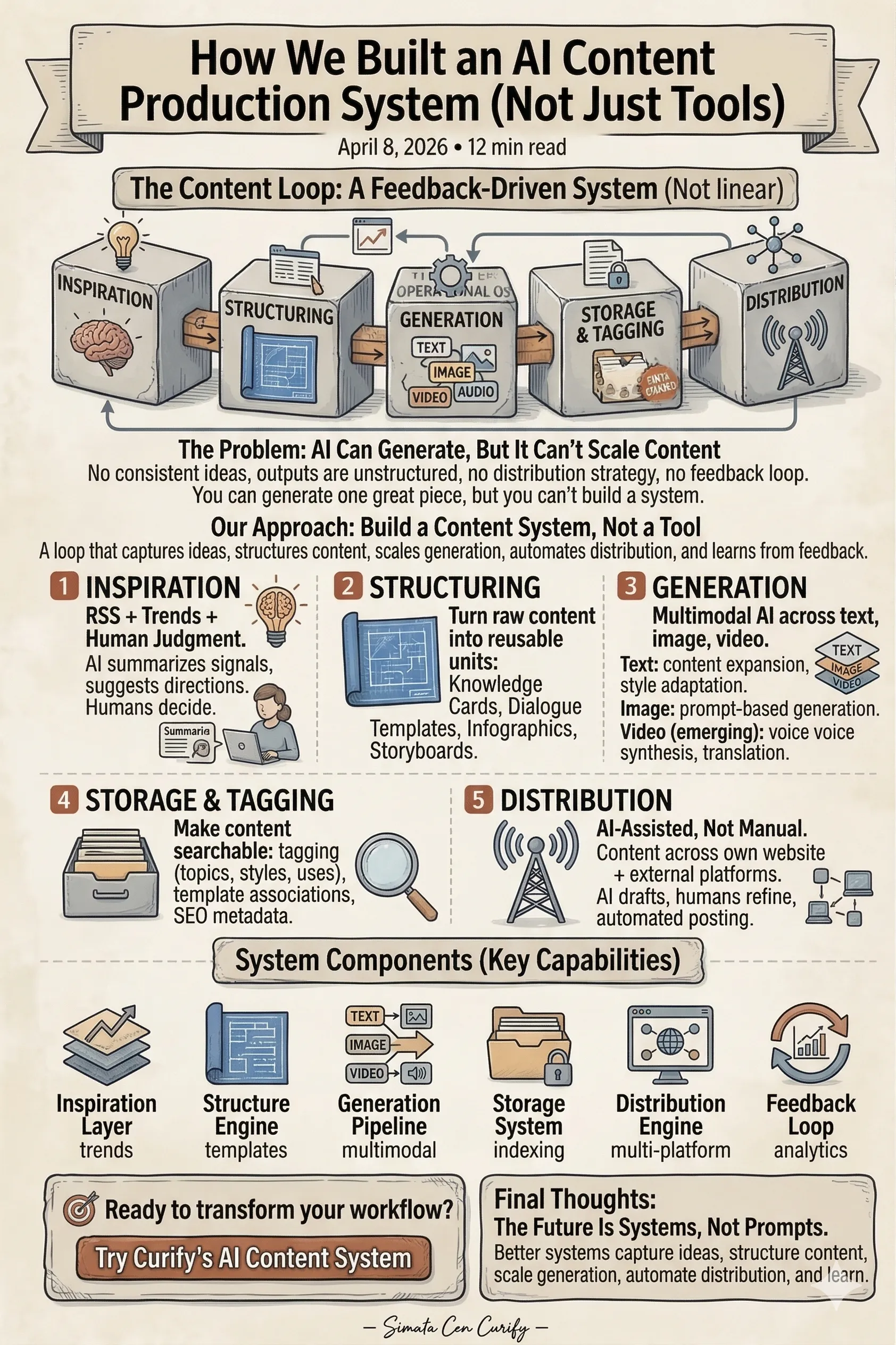
How We Built an AI Content Production System (Not Just Tools)
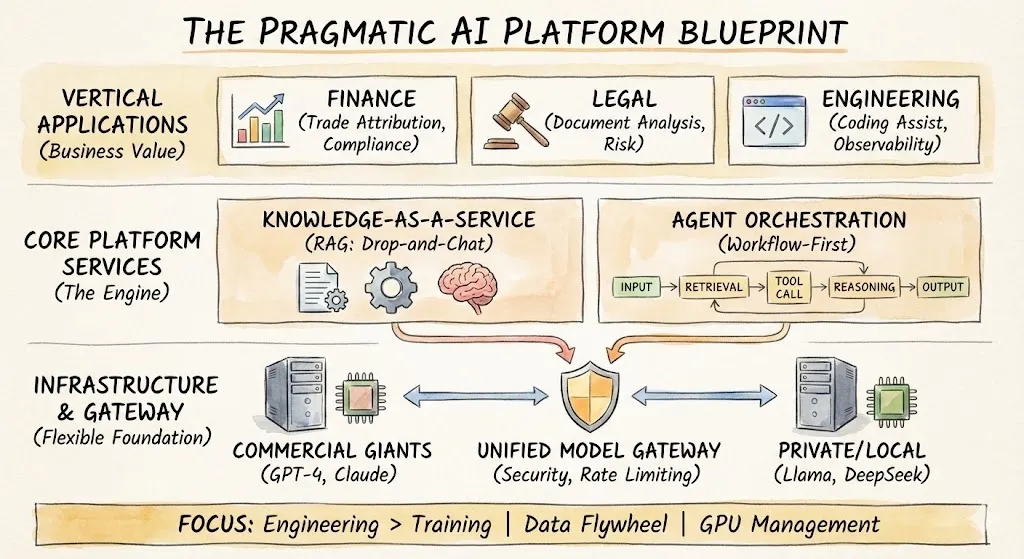
Practical AI Platform: How Mid-Sized Tech Companies Win with AI
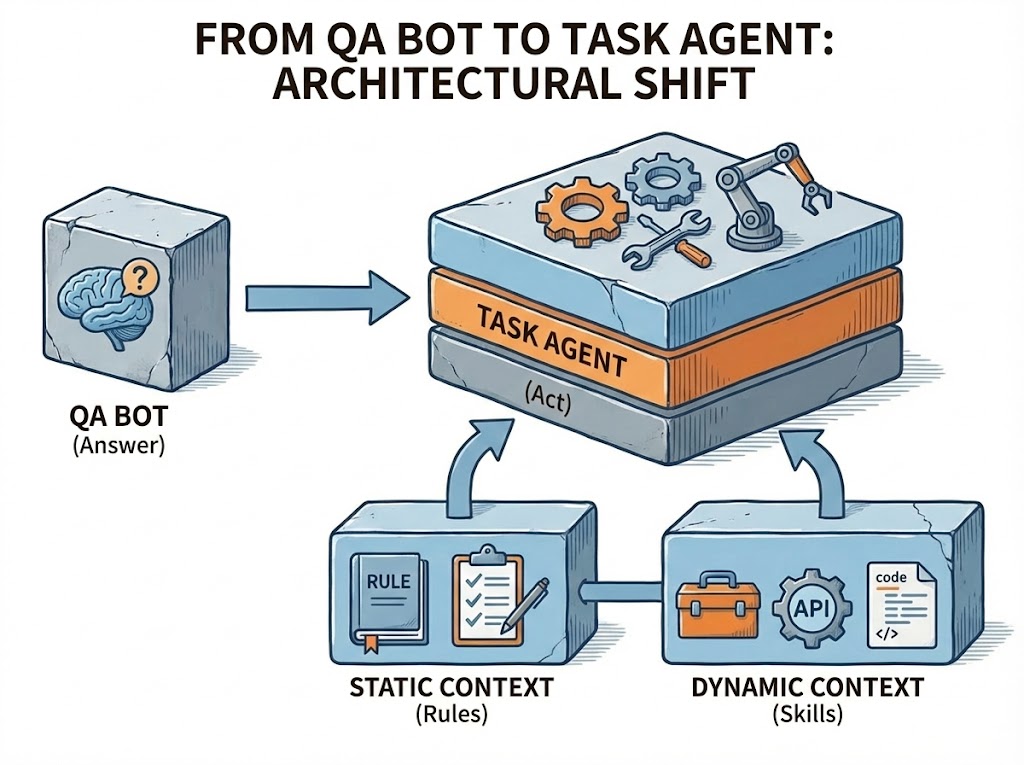
From QA Bot to Task Agent: An Architecture Guide
Next Article
From QA Bot to Task Agent: An Architecture Guide
Learn how to build more capable AI agents
Let's discuss:
Are you feeling more 'efficient' or 'replaced' in your current role? How are you evolving your toolkit this year? 👇