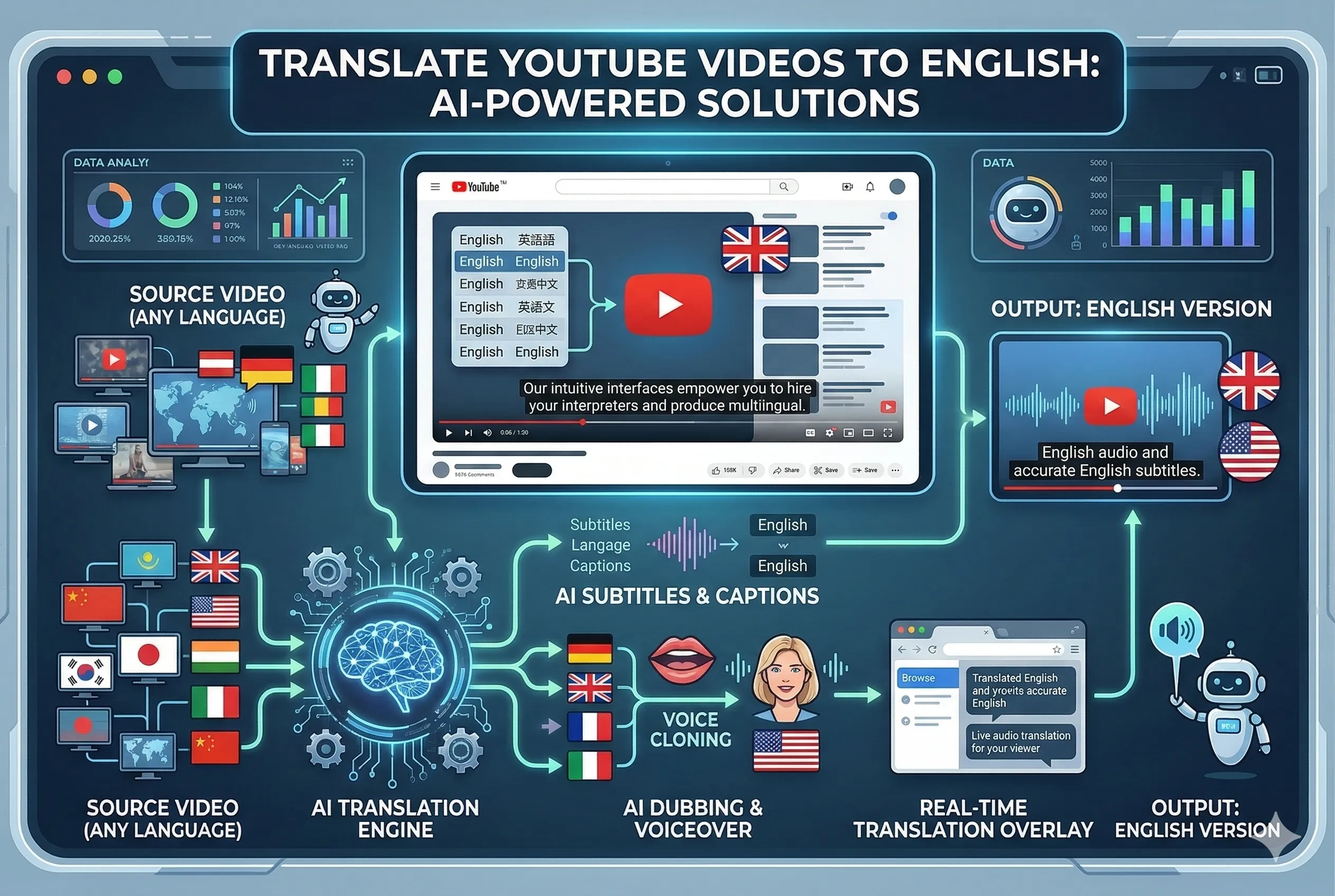
How to Dub Any Video with AI: A Step-by-Step Tutorial (2026)

TL;DR
Want to dub your videos into 100+ languages? Here's the fastest workflow:
- Upload your video to an AI dubbing platform
- Choose target languages and voice styles
- Review AI transcription for accuracy
- Generate dubbed audio with lip-sync
- Download final video in multiple languages
🚀 🚀 Try our AI Video Dubbing Tool - Start with 5 free minutes
What "AI video dubbing" actually does
AI video dubbing is the process of replacing original audio in videos with translated speech using artificial intelligence. Unlike traditional dubbing that requires voice actors and extensive manual work, AI dubbing can translate and recreate voices in minutes while maintaining the original speaker's tone, emotion, and timing.
Modern AI dubbing systems use advanced neural networks to analyze the original audio, transcribe speech, translate content, and generate new voice tracks that sync perfectly with the video. This technology has revolutionized content creation, making it possible to reach global audiences without the high costs and time investment of traditional dubbing.
Why Use AI for Video Dubbing?
Speed and Efficiency
Traditional dubbing can take weeks per language. AI dubbing reduces this to minutes, allowing you to localize content rapidly and respond to market demands instantly.
Cost-Effective Solution
Professional dubbing studios charge $100-500 per minute of video. AI dubbing costs 90% less while maintaining professional quality, making it accessible to creators of all sizes.
Voice Consistency
AI can clone and preserve the original speaker's voice characteristics across multiple languages, maintaining brand consistency and personal connection with audiences.
Scalability
Dub entire video libraries into dozens of languages simultaneously. AI systems handle batch processing, making it possible to scale content globally without linear cost increases.
Step-by-Step AI Dubbing Tutorial
Step 1: Upload your video
Screenshot of /tools/video-dubbing, supported formats, length limits. Upload MP4, MOV, AVI, or WebM files up to 30 minutes. The platform automatically detects video quality and optimizes for processing.
💡 Pro Tip
Videos with 48kHz audio and 1080p resolution produce the best dubbing results. Remove background music or lower it significantly before uploading.
Step 2: Pick source and target languages
Screenshot of language picker, note auto-detection. Choose from 100+ languages with automatic source language detection. Select multiple target languages for batch processing.
Step 3: Choose a voice (or clone yours)
Preview snippets; link to voice-cloning-tools. Select from 500+ AI voices or clone your own voice for consistent branding. Preview voice options before generating.
Step 4: Review transcript and timing
Why this matters for natural pacing; screenshot. Review AI-generated transcript for accuracy. Adjust timing markers to ensure natural speech rhythm and proper pauses.
⚠️ Critical Step
Transcription accuracy directly impacts translation quality. Spend extra time here to ensure perfect results. Most platforms show confidence scores for each transcribed segment.
Step 5: Generate and download
This is where the magic happens. The AI translates your corrected transcript into target languages, then generates new audio using voice cloning technology. Advanced systems analyze mouth movements and create perfectly synced lip movements.
The process typically takes 2-5 minutes per language, depending on video length and server load. You'll receive notifications when processing is complete.
Step 6: Polish output
Quick fixes for tone, pronunciation issues; deeper link to how-to-dub-videos-naturally for artifact-fixing. Use built-in editor to fine-tune voice parameters.
Best Practices for Quality Results
Audio Quality Matters
Start with the best possible audio quality. Use external microphones, record in quiet environments, and apply noise reduction before uploading. Clean audio produces better transcriptions and voice cloning.
Cultural Adaptation
Beyond literal translation, consider cultural nuances. Some platforms offer cultural adaptation features that adjust idioms, references, and humor for target markets.
Voice Style Matching
Choose voice styles that match your content type. Corporate videos benefit from professional tones, while educational content may work better with friendly, approachable voices.
Common Challenges and Solutions
Challenge: Robotic Voice Quality
Solution: Use platforms with advanced neural TTS engines. Upload reference voice samples and adjust emotional parameters for more natural results.
Challenge: Lip-Sync Issues
Solution: Choose platforms with dedicated lip-sync technology. Some tools can even modify video frames to match new audio timing perfectly.
Challenge: Multiple Speakers
Solution: Use platforms with speaker diarization. This feature automatically identifies and separates different speakers, applying appropriate voice cloning to each.
Tools and Platforms Comparison
| Platform | Languages | Voice Cloning | Pricing |
|---|---|---|---|
| Curify AI | 100+ | ✅ Advanced | $0.10/min |
| ElevenLabs | 29 | ✅ Professional | $0.30/min |
| Dubverse | 60+ | ⚠️ Basic | $0.20/min |
Use Cases and Applications
Content Creators
YouTubers and social media creators can expand their global reach by dubbing content into multiple languages. This increases watch time, engagement, and revenue potential.
Corporate Training
Companies can localize training materials for international teams, ensuring consistent messaging across all locations while reducing translation costs by 80%.
E-Learning Platforms
Educational institutions can offer courses in multiple languages, making quality education accessible to students worldwide regardless of their native language.
Marketing and Advertising
Brands can create localized versions of video ads for different markets, maintaining the original emotional impact while speaking directly to local audiences.
Future of AI Video Dubbing
The field is evolving rapidly. Emerging technologies include real-time dubbing for live streaming, emotion-aware voice synthesis that adapts to content context, and AI-powered cultural adaptation that goes beyond translation to truly localize content.
We're also seeing advances in video generation where AI can create new video footage to match dubbed audio, eliminating lip-sync issues entirely. The future promises seamless, instant video localization that maintains the creator's original intent while reaching global audiences effectively.
Getting Started Today
Ready to start dubbing your videos? The process is simpler than ever. Most platforms offer free trials or starter plans that let you test the technology before committing.
Start with a short video (1-2 minutes) to understand the workflow and quality. Experiment with different languages and voice settings. Once you're comfortable with the process, you can scale up to longer content and multiple languages.
🚀 Ready to Start?
Try our AI Video Dubbing tool with 5 free minutes. No credit card required.
Start Dubbing NowConclusion
AI video dubbing has transformed content localization from a time-consuming, expensive process into an accessible, efficient workflow. Whether you're a solo creator or a global enterprise, these tools enable you to reach audiences worldwide while maintaining the quality and emotional impact of your original content.
As technology continues to advance, we'll see even more natural voice synthesis, better cultural adaptation, and seamless integration with content creation workflows. The future of global communication is here, and it speaks every language.
Take the next step
Putting what you read into practice.
Related Articles
Video Dubbing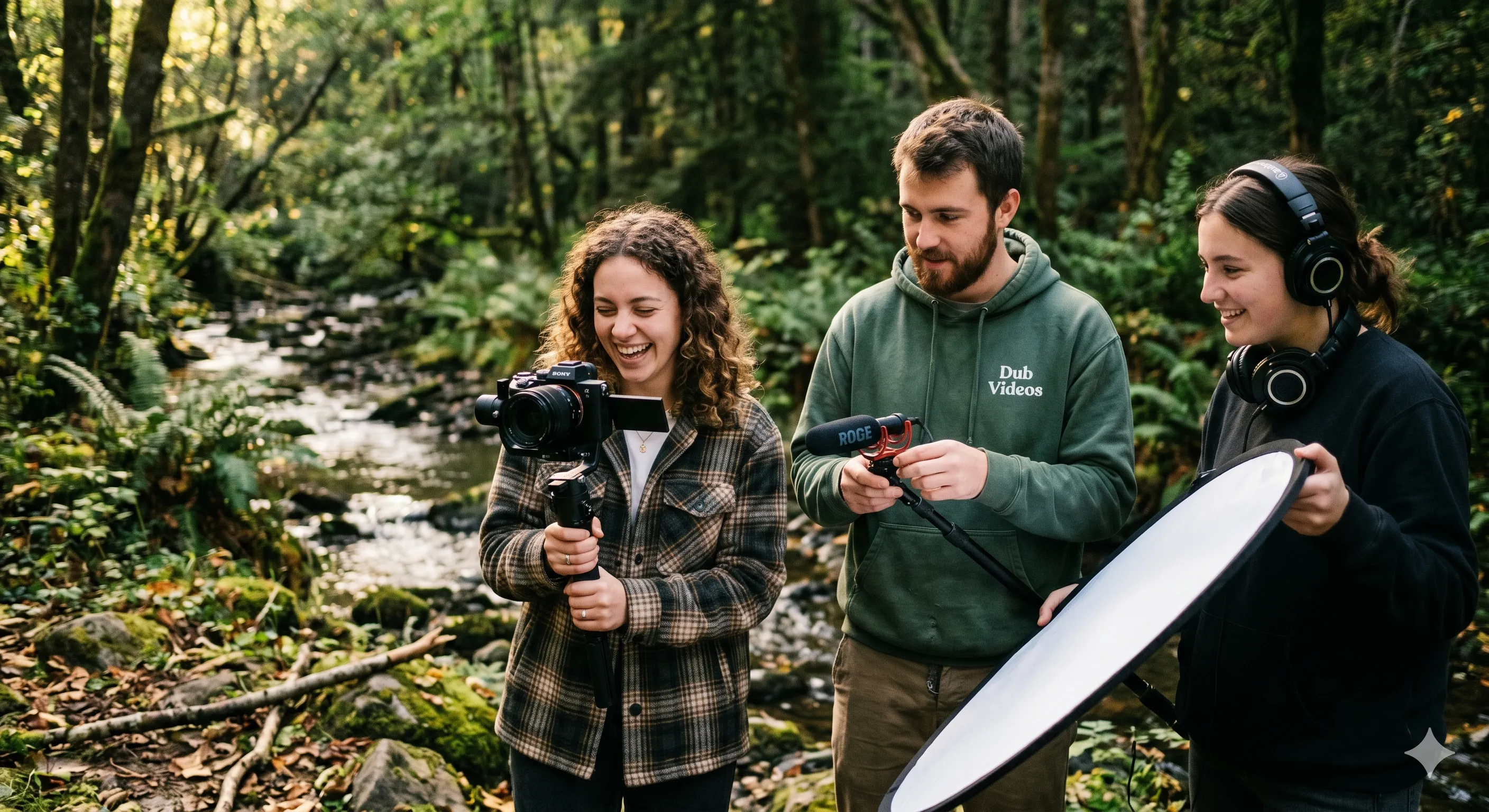
How to Dub Videos Naturally in 2026: Fixing AI Voice Cloning Artifacts
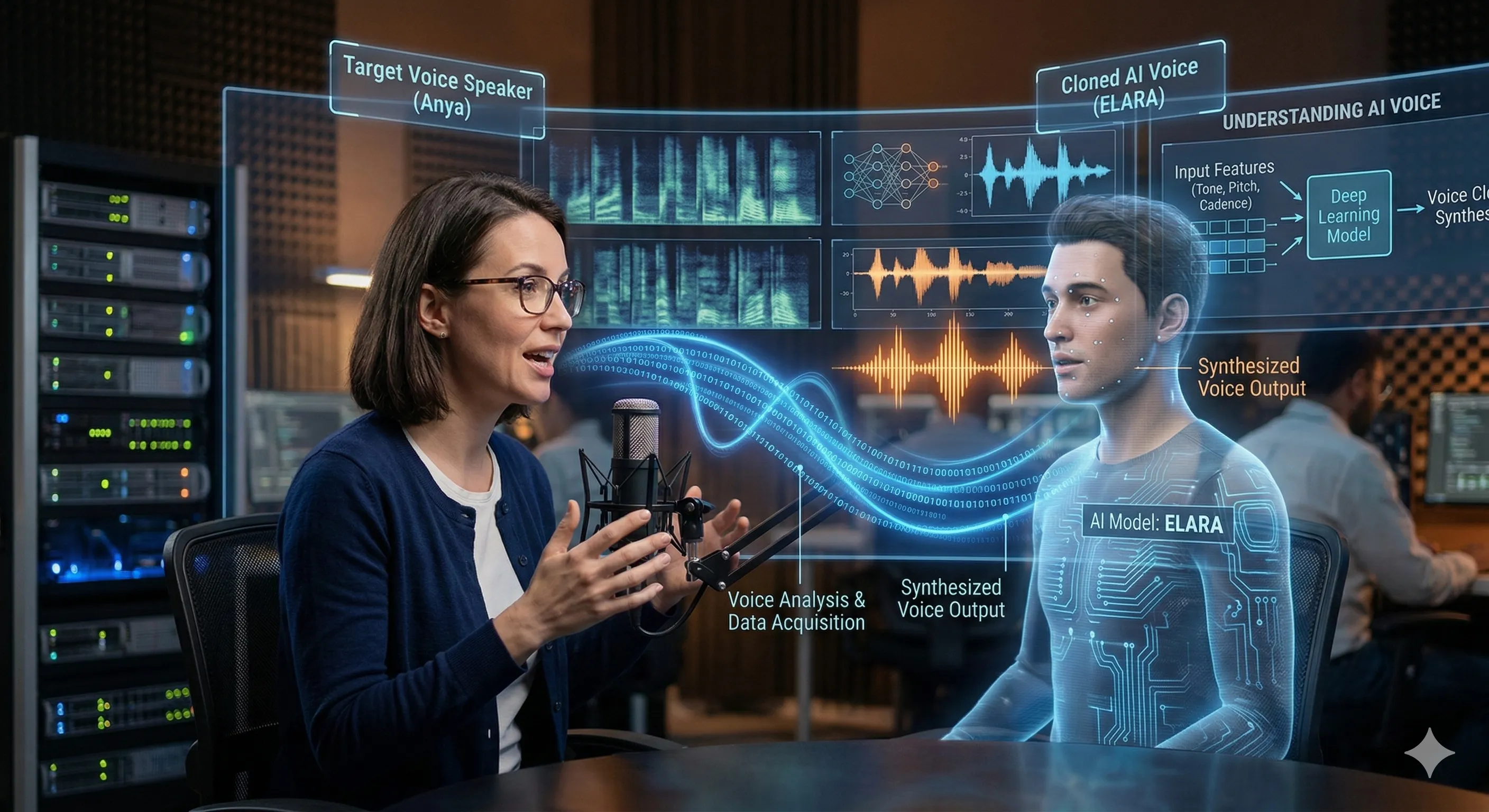
What is AI Voice Cloning? How to Fix Dubbing Artifacts in 2026