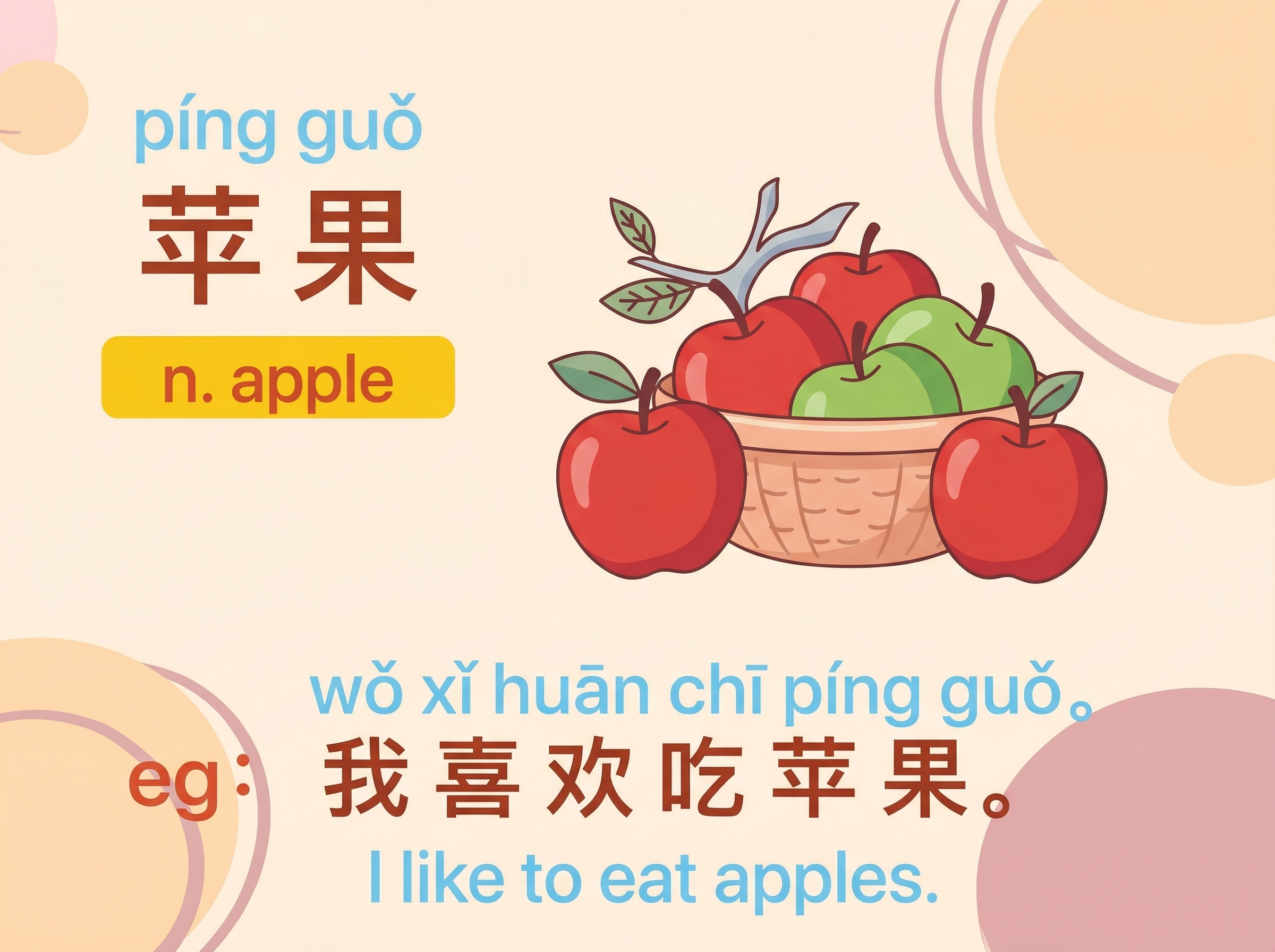
Subject Flashcards with AI: Biology, Chemistry, and Science Cards That Stick
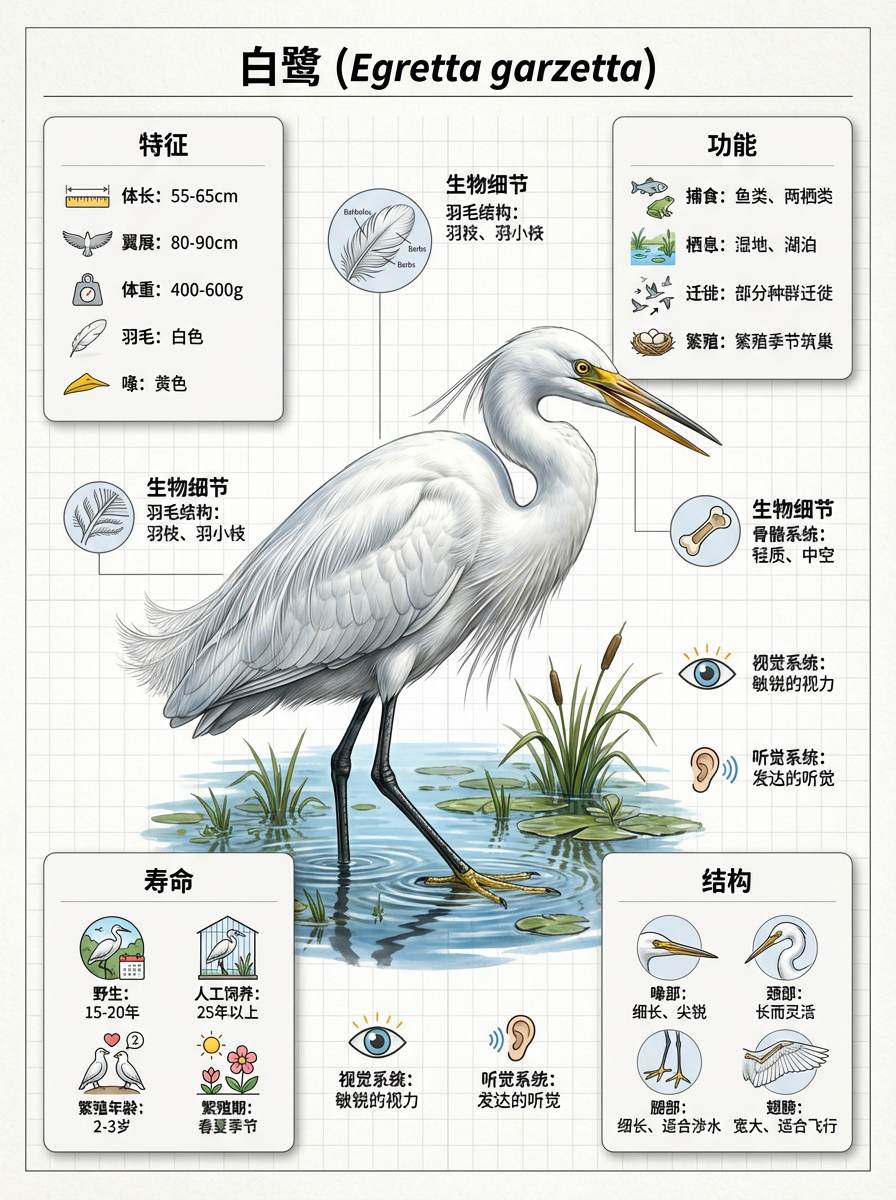
Biology and chemistry flashcards have a unique problem that vocabulary flashcards do not: the subject matter is *visual*. A plant species needs to look like the actual plant. A chemistry diagram needs to show actual atomic structure. A bird species card needs to render the bird's feather pattern accurately. Generic flashcard apps do not solve this — they pull stock photos that may or may not match the species or compound the curriculum specifies. Quality is inconsistent; the bird picture might be the wrong subspecies. AI subject flashcards fix the visual fidelity. The template knows what an egret looks like, what the herbal *Centella asiatica* looks like, what the atmospheric layer structure is. The output is print-quality and curriculum-correct for the 90% of biology / chemistry / science topics that fall within established reference material.
What changes when biology + chemistry flashcards render with AI
Three things shift:
1. Photorealistic species + compound rendering. A species card needs the right plumage, the right beak, the right wing pattern. AI templates trained on biological reference render at field-guide quality — significantly better than the random-stock-photo result you get from a free flashcard app.
2. Custom curriculum alignment. AP Biology covers a specific 200-species list. The Wilson Reading list, the Next Generation Science Standards (NGSS) per-grade vocabulary, the AP Chemistry compound list — all different. AI templates let you generate cards for the exact list your curriculum specifies, in the consistent visual register you choose.
3. Print-ready diagrams. Anatomy diagrams, periodic-table chunks, ecosystem food webs — these need to be readable at print scale, not retina-screen scale only. AI infographic templates render at 300 DPI with clean typography and palette-locked color, so the printed card looks intentional.
Four subject-flashcard template types — pick by topic
Species science card — for biology + zoology
Bird, mammal, fish, reptile, or insect species cards rendered as photorealistic field-guide entries. Includes scientific name, common name, habitat note, and a labeled illustration showing key identification features.
Open the Species Science template →
Best for: AP Biology species lists, birdwatching education, school zoology units, homeschool nature-study curriculum.
Herbal / botanical flashcard — for botany + chemistry-of-natural-products
Plants with medicinal, culinary, or ecological significance rendered as watercolor botanical illustrations with the scientific name, common name, key chemical compound highlighted, and a one-line use note.
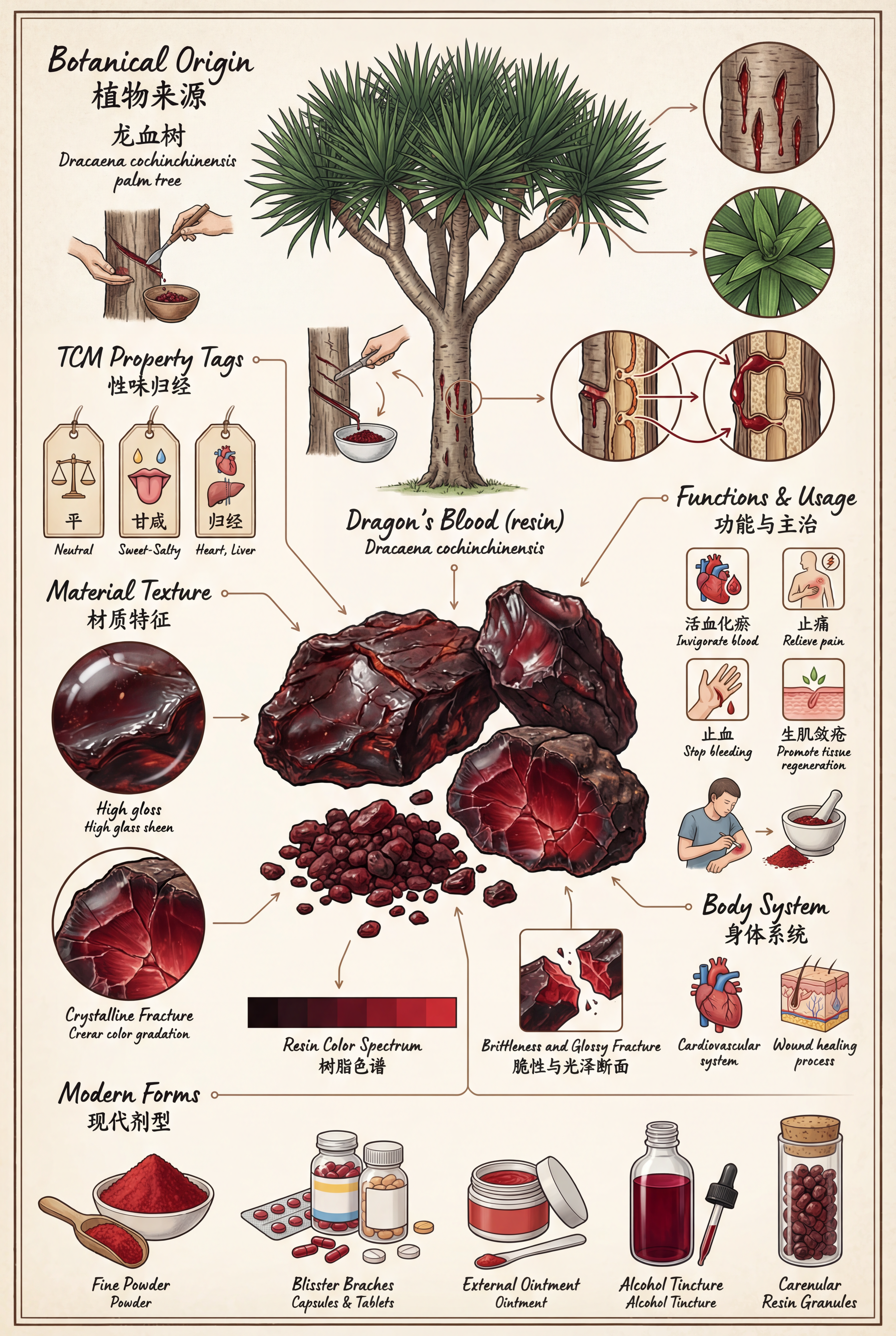
Best for: traditional medicine units (Chinese herbal, Ayurveda, indigenous plants), ethnobotany, chemistry units that focus on natural products, advanced biology electives.
Science education infographic — for explaining systems
When the topic is a *system* rather than a *single organism* (atmospheric layers, cell organelles, water cycle, periodic table groups), the infographic format works better than a single-card flashcard. The science education template renders system explainers with labeled diagrams, hierarchy lines, and clean typography.
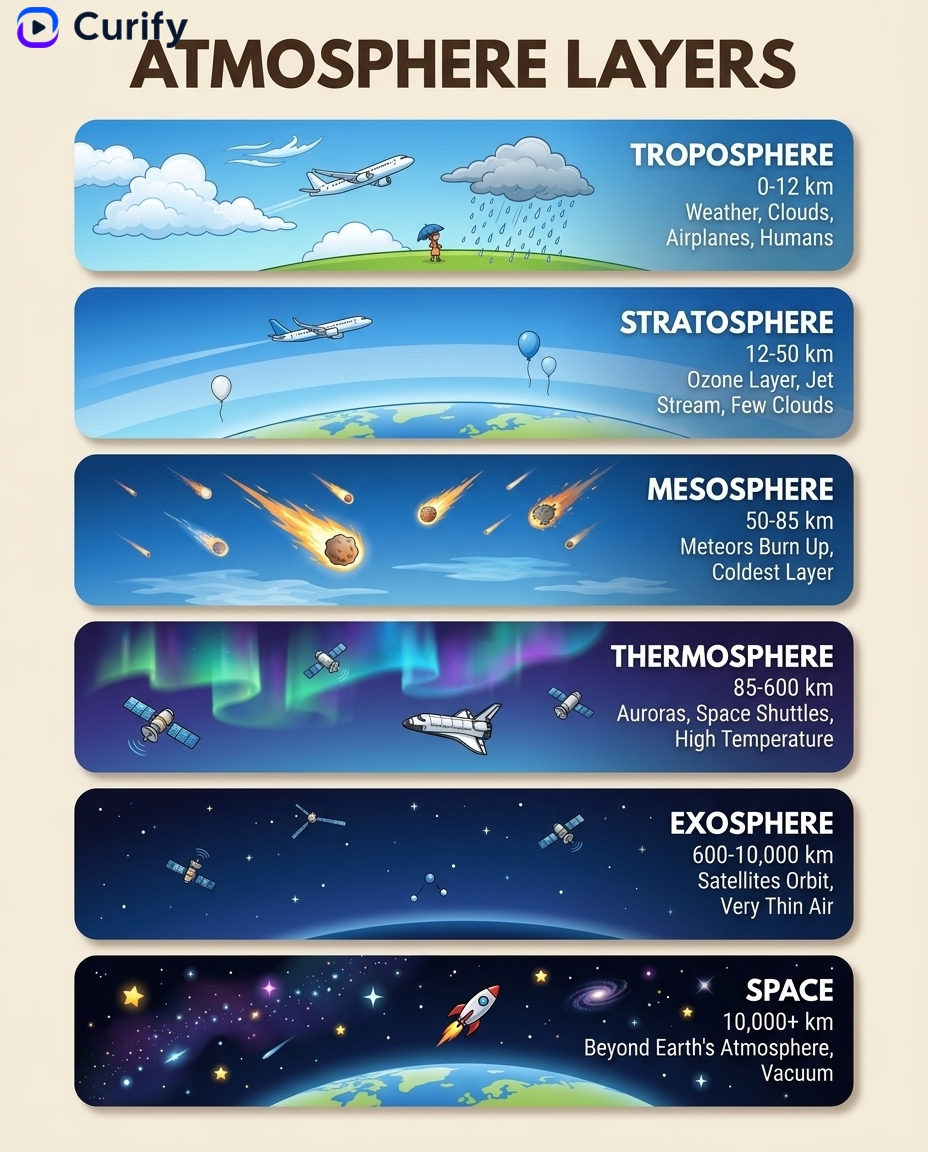
Open the Science Education Infographic template →
Best for: classroom walls, unit-review handouts, homework reference sheets. Pair with traditional flashcards for vocabulary recall.
Species comparison — for related-organism distinction
Some biology curriculum requires distinguishing related species — the four egret species, the great-cat species, the marsupial families. A single species card per organism leaves the student to mentally compare. A species template that renders multiple related organisms in the same visual register makes the comparison visible at a glance.
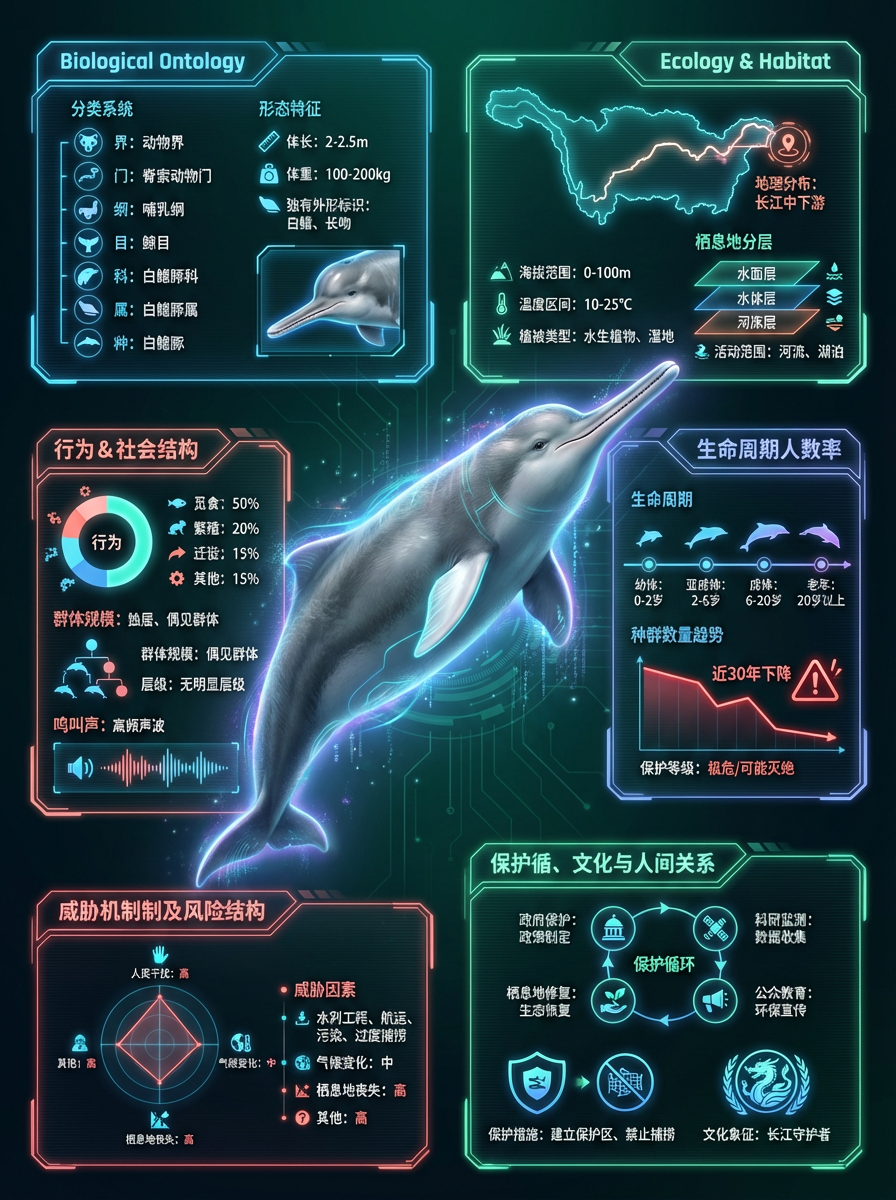
Best for: species identification units, taxonomy practice, conservation biology (where related-species distinction is the assessment focus).
Where AI subject flashcards still need a human in the loop
Three places the workflow has clear limits:
Curriculum specificity matters and AI may default to the dominant subspecies. If your AP Biology curriculum specifies *Egretta thula* (snowy egret) and the template defaults to *Ardea alba* (great egret), the card teaches the wrong organism. Always verify the rendered output against the curriculum reference.
Chemistry structural diagrams are harder than biology illustrations. AI is significantly stronger at rendering biological organisms (where the training data is rich — millions of nature photographs) than at rendering molecular structure diagrams (where the training data is sparse and where precision is unforgiving). For organic chemistry mechanism cards, prefer ChemDraw or a specialized chemistry diagram tool.
Rare or recently-discovered species may not render correctly. AI templates use the training data they have. A 2024-described species may not render accurately. For cutting-edge biology, supplement with primary-source field guide imagery.
Tools & Resources
Learn about the best tools available...
How to use Curify subject-flashcard templates
All four templates above are free on Curify. Workflow:
1. Pick the template that matches your topic shape (single organism → species card or herbal; system explainer → infographic; comparison units → species comparison)
2. Enter the curriculum list — species names, compound names, system topics. The template renders one card per item.
3. Iterate the visual register — field-guide-style watercolor for botany, photorealistic for species ID, diagrammatic for chemistry / anatomy
4. Verify the rendered output against your curriculum reference before printing — this is the human step that AI cannot skip
5. Download as PDF, print, laminate for classroom use
A typical biology unit needs 30-50 species cards; a chemistry unit needs 20-40 compound cards. Curify is free for templates; Pro saves iteration time at scale.
Need a curriculum-specific deck (AP Biology 2026 list, AP Chemistry, a state-specific NGSS list)? Reach out via /contact and we can ship a curriculum-aligned variant.
Replace the worst section of your science textbook with cards this week
If you teach high school biology or chemistry, pick the chapter your students consistently bomb on the unit test — usually one with dense vocabulary (cell organelles, plant species, chemical bond types). Generate flashcards for the 20-30 terms in that chapter and run a 10-minute card drill at the start of three consecutive class sessions. Watch the next unit test result.
Popular Template Examples
Explore our most popular Nano Banana prompt templates to see what's possible:
One image is a sample. A product line needs the whole set.
Every Curify template runs in bulk. Send the list — SKUs, words, characters, teams, scenes — and we return the full set generated against one locked visual direction, so the line reads as a collection instead of forty unrelated images.
- Works on any template, not a special few — the same prompt structure applied across your whole list.
- One locked visual direction across the set, so a 40-design line stays on-brand end to end.
- Production-ready output where the format calls for it — die-cut paths, dielines, print resolution.
Take the next step
Putting what you read into practice.
Browse related topics
More templates and prompts in these areas.
Related Articles
Learning & Education
Science Flashcards: AI Prompt Templates That Spark Classroom Engagement
Phonics Flashcards: AI Templates for CVC Words, Sounds, and Early Reading