FIFA 2026 World Cup Host City Travel Guide: Planning Your Trip Across USA, Canada & Mexico
World Cup Template Examples
Country posters, player cards, brackets, host-city miniatures, and trophy infographics — generate your own from any of these templates.
Popular Template Examples
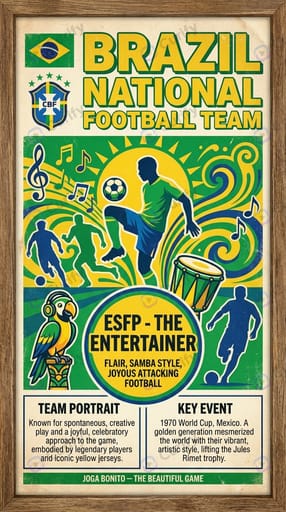
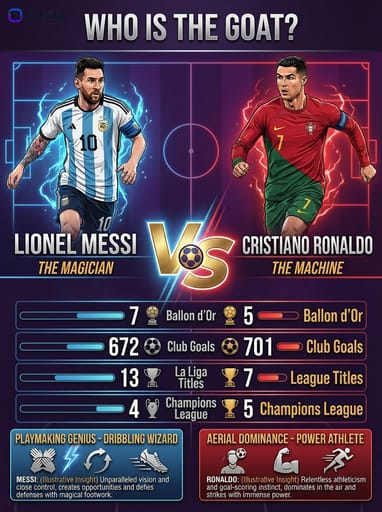
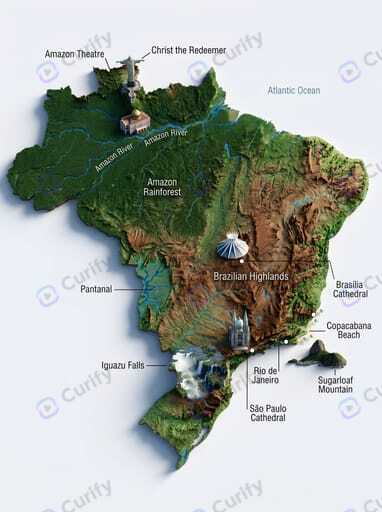
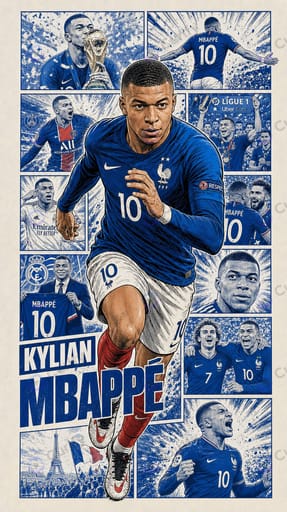
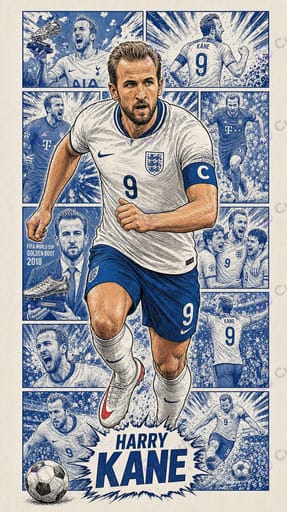
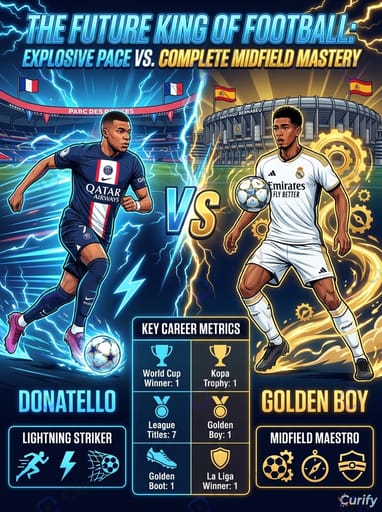
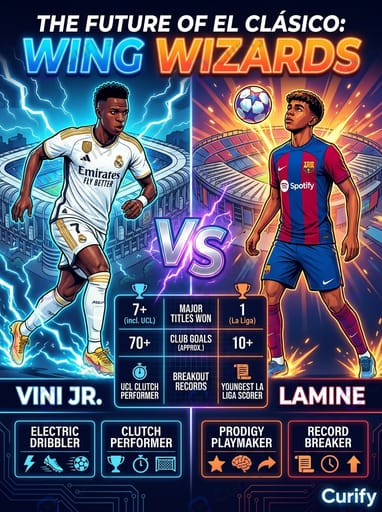
The 2026 FIFA World Cup is the first three-nation tournament — 16 host cities across the United States (11), Mexico (3), and Canada (2), running June 11 to July 19. Travel planning for this World Cup is unlike any prior: cross-border itineraries, multi-city group-stage routes, time-zone-aware match-day logistics, and visa considerations between three different countries. This guide indexes the host cities by region, surfaces the highest-leverage 1-3 day plans per city, and ships the AI-generated travel poster + itinerary templates we have live in the gallery for each of them. Bookmark for trip planning; copy any prompt to remix for the city your knockout-bracket lands in. [← Back to the World Cup 2026 AI Prompt Hub](/blog/world-cup-2026-ai-prompt-hub)
The 16 host cities, grouped by region
United States (11): New York / New Jersey (MetLife Stadium), Los Angeles (SoFi Stadium), Miami (Hard Rock Stadium), Dallas (AT&T Stadium), Atlanta (Mercedes-Benz Stadium), Houston (NRG Stadium), Kansas City (Arrowhead Stadium), Philadelphia (Lincoln Financial Field), Boston / Foxborough (Gillette Stadium), Seattle (Lumen Field), San Francisco Bay Area (Levi's Stadium).
Canada (2): Toronto (BMO Field), Vancouver (BC Place).
Mexico (3): Mexico City (Estadio Azteca — the only stadium to have hosted two prior World Cup finals), Guadalajara (Estadio Akron), Monterrey (Estadio BBVA).
Important: the final is at MetLife Stadium (New York / New Jersey) on July 19, the opener is at Estadio Azteca (Mexico City) on June 11, and group stage matches are concentrated geographically — group A teams play mostly in Mexico, group B in Canada, etc. — to minimize travel for the squads. Fans following one team will mostly travel within one country until knockout rounds.
Travel planning playbook by host country
United States host cities (11 venues)
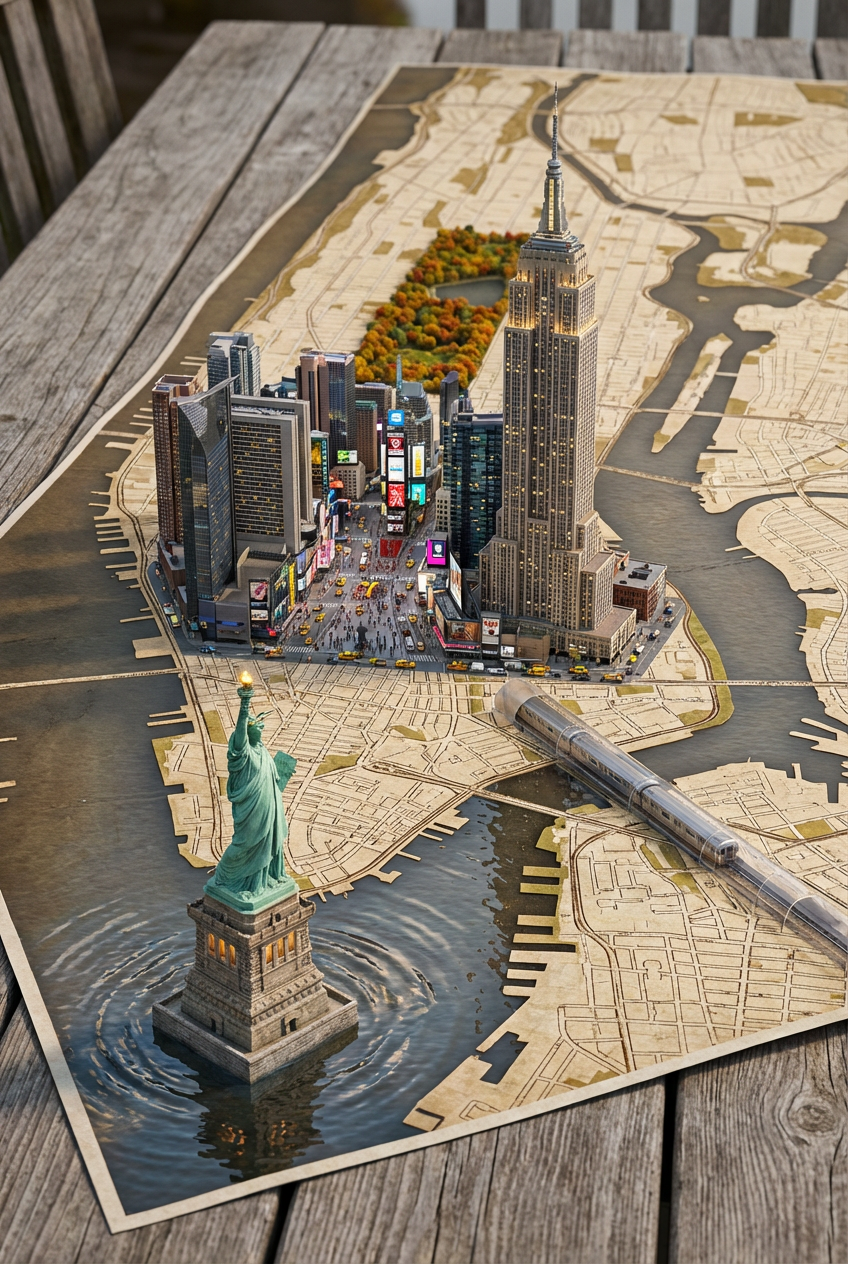
Open the City Miniature template →
The 11 US venues split cleanly into 4 micro-regions:
- Northeast cluster (NYC/NJ, Philadelphia, Boston/Foxborough): rail-connected, walkable, all serve as MetLife-final approach paths. New York is the final destination — base here if you can.
- Southeast cluster (Miami, Atlanta, Dallas, Houston): hub-and-spoke flying, no rail. Miami / Atlanta good base cities; Dallas + Houston are direct-flight day trips between matches.
- Midwest (Kansas City): smaller-city experience, Arrowhead Stadium iconic for NFL fans, easy weekend trip.
- West Coast cluster (LA, San Francisco Bay Area, Seattle): three coast cities, all 1-2 hour flight links, plus Vancouver across the border (40 min flight from Seattle).
Templates ready for any US city poster — drop a city name into /nano-template/city-miniature, /nano-template/3d-region-landmark-map, /nano-template/world-travel-map-illustration, /nano-template/world-landmark-vintage-info-poster, /nano-template/best-cities-travel-infographic. Existing gallery examples cover USA and North America at the country level — generate city-specific variants in the same render.
Walkability matters: our walkable-American-cities infographic ranks host cities by walkability — relevant if you're picking which city to base in between match days. NYC and Boston rank highest; Houston and Atlanta require rental cars.
Mexico host cities (3 venues) — the heritage stops
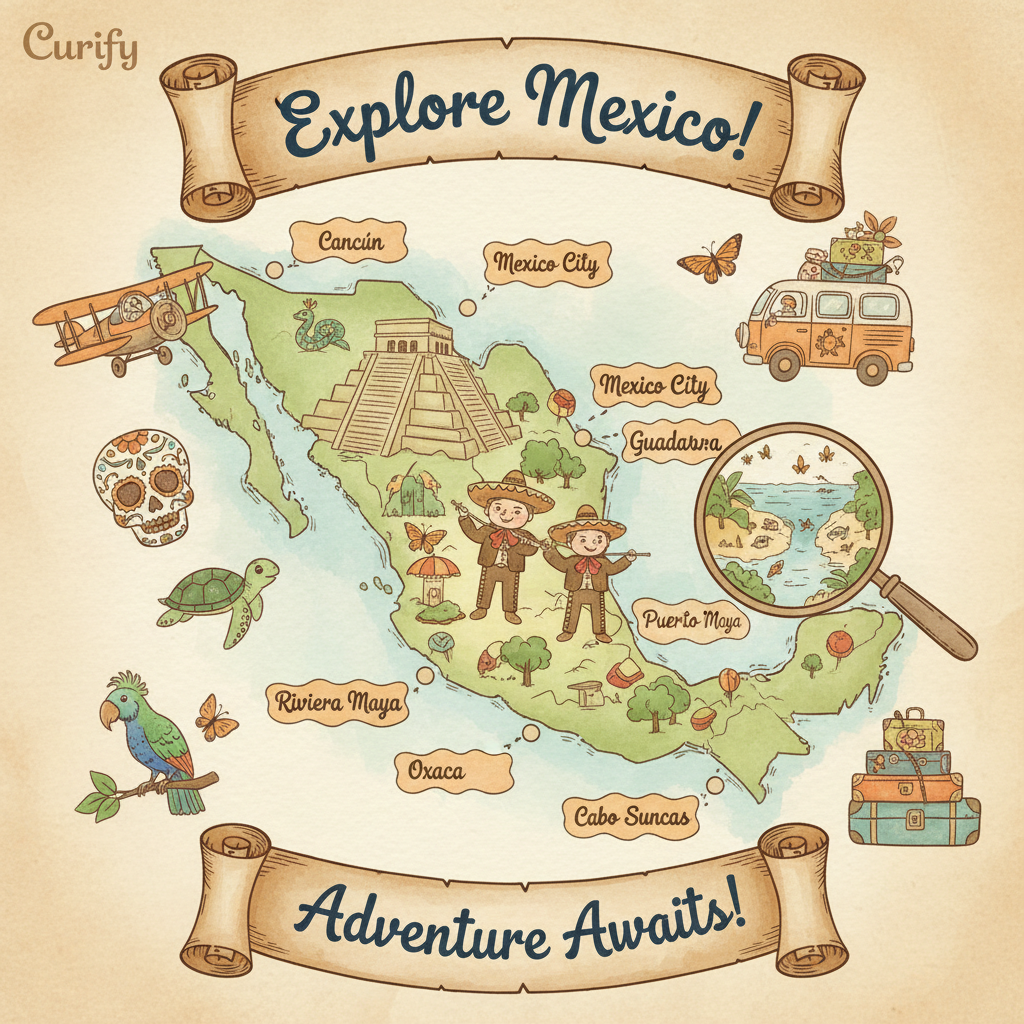
Open the Whimsical Travel Map template →
The Mexico venues anchor the tournament's heritage moments — the opener on June 11 at Estadio Azteca, the only stadium to have hosted two prior World Cup finals (1970 Brazil, 1986 Argentina). Travel logistics:
- Mexico City (Estadio Azteca): base here for at least 3 days. The Azteca alone is a pilgrimage. Pair with Teotihuacán day trip, Polanco neighborhood for food, Coyoacán for the Frida Kahlo museum, Roma Norte for nightlife.
- Guadalajara (Estadio Akron): Jalisco's capital, tequila country day trips to Tequila town and Tlaquepaque crafts village. Lighter crowds than CDMX.
- Monterrey (Estadio BBVA): industrial-modern north Mexico, mountain backdrop, food scene rivaling CDMX.
Templates with live Mexico examples:
- Mexico whimsical travel map — the country-wide poster above
- Mexico souvenirs watercolor — gifts to bring home
- Oaxaca city miniature — day-trip from Mexico City
- Mexican mole varieties map — food-tour planning
- Mexico City + Guanajuato itinerary — multi-day plan
Visa note: most nationalities need an FMM (tourist card) for Mexico — issued at the airport, no advance application needed. Verify your specific country at official Mexican immigration.
Canada host cities (2 venues) — Toronto + Vancouver
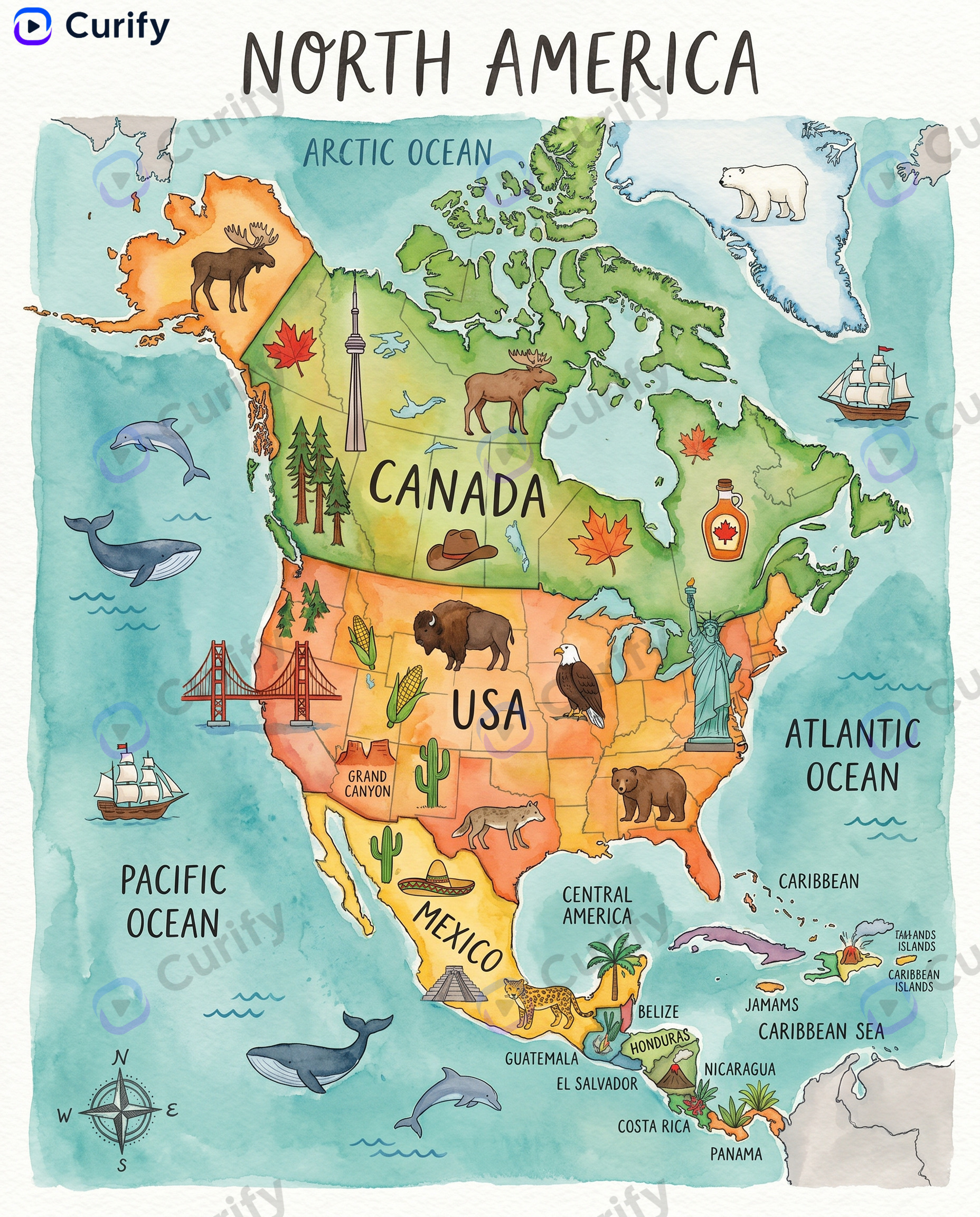
Open the Watercolor World Map template →
Canada's two host cities sit on opposite coasts and serve very different fan experiences:
- Toronto (BMO Field, capacity ~30,000 expanded for the WC): Canada's largest city, on Lake Ontario, easy 1-hour flight from NYC / Boston. Use it as a side-trip from the Northeast US cluster — visit during US group-stage matches the Toronto team isn't hosting.
- Vancouver (BC Place, capacity ~54,500): BC's port city on the Pacific, mild June weather, 40-minute flight from Seattle, 2-hour drive from Whistler. Pair with the Seattle WC matches for a single Pacific Northwest trip.
Templates with live Canada coverage:
Visa note: most US travelers need an eTA (electronic Travel Authorization) for Canada — apply online via the Canadian government; takes minutes, costs CAD 7.
Cross-border travel: Mexico → US and US → Canada both require passport (or REAL ID for US domestic flights). Build 2-4 hour buffers at land borders during knockout rounds — expect long queues for popular crossings.
Build your own host-city poster + itinerary
If your team's bracket sends you to a city not yet covered in the gallery, generate your own poster + itinerary from the templates in one render each. The most versatile templates for ad-hoc host-city work:
For posters:
- /nano-template/city-miniature — tilt-shift miniature city poster (input: city name)
- /nano-template/world-landmark-vintage-info-poster — vintage-style landmark poster (input: landmark name)
- /nano-template/vintage-travel-scrapbook-poster — scrapbook-style multi-element poster (input: destination)
For itineraries + planning:
- /nano-template/travel — the catch-all travel-planning template; 43 live examples covering itineraries, budgets, overviews. Input: country, duration, travel style.
- /nano-template/travel-packing-guide-infographic — packing-list infographic by trip type
- /nano-template/country-dos-and-donts-infographic — cultural etiquette card
- /nano-template/cultural-travel-journey-infographic — multi-stop journey timeline
For souvenirs + post-trip:
- /nano-template/country-souvenirs-watercolor — local gifts illustrated
- /nano-template/watercolor-travel-journal-collage — journal-style trip memento
All templates run in 10 platform locales — generate Spanish posters for Mexico-leg trips, French for Canada (Quebec), bilingual for the US Northeast.
Practical gotchas for the three-nation tournament
Time zones: 4 zones live across the host countries (Pacific, Mountain, Central, Eastern). Match-time confusion is the #1 fan complaint at multi-zone tournaments. Always note kickoff in your home time zone + the host city time zone.
Border crossings during knockout rounds: if your team makes the round of 16 and the venue is in a different country, expect 4-6 hour delays at land borders. Fly between countries if at all possible during July 1-19.
Accommodation pricing: 2026 World Cup hotel rates in host cities are tracking 3-5x normal. Book by January 2026 for group stage; June 2026 is too late for knockout-window dates. Airbnb in residential neighborhoods (Brooklyn for NYC, Coyoacán for CDMX, Yaletown for Vancouver) is the price-sensible fallback.
Visa lead time: US ESTA (for VWP countries) takes 72 hours minimum, Canada eTA processes in hours, Mexico FMM is at-airport. If you need a full visa (B-2 for the US specifically), apply by February 2026 — peak-season backlog is severe.
Match-day stadium policy: bag size limits, payment-system (most stadiums are cashless), and prohibited-item lists vary by venue. Check each stadium's official policy 24-48h before match day.
Tools & Resources
Learn about the best tools available...
Templates and gallery cross-links for your trip
The hub: /blog/world-cup-2026-ai-prompt-hub indexes squad posters, sticker posters, and cinematic prompt recipes for the 11 most-searched national teams. Use it to generate posters for the team you're following before you go.
Country-WC topic pages (squads, history, fan content per nation): Brazil, Argentina, France, Germany, England, Spain, Italy, Portugal, Netherlands, Uruguay.
Travel-poster topic page: /topics/travel for the full travel-template gallery (250+ examples across cities, landmarks, itineraries, regional culture).
Related: /blog/world-cup-2026-top-contenders for matchup analysis on the four favorites; /blog/argentina-france-2022-world-cup-final for the 2022 final retrospective.
Plan early, generate often
The 2026 FIFA World Cup is logistically the most complex tournament in history — three host countries, four time zones, 16 host cities, 48 teams (the new expanded format). Trip planning that worked for Qatar 2022 (one city, one country) does not transfer. Book accommodation early, lock visa paperwork by February, build cross-border buffers, and use the gallery's host-city templates to generate the city-specific posters, itineraries, and souvenir cards your specific bracket calls for. The tournament is six weeks; the trip planning compounds with every group-stage week that confirms which knockout cities you'll need.
One image is a sample. A product line needs the whole set.
Every Curify template runs in bulk. Send the list — SKUs, words, characters, teams, scenes — and we return the full set generated against one locked visual direction, so the line reads as a collection instead of forty unrelated images.
- Works on any template, not a special few — the same prompt structure applied across your whole list.
- One locked visual direction across the set, so a 40-design line stays on-brand end to end.
- Production-ready output where the format calls for it — die-cut paths, dielines, print resolution.
Take the next step
Putting what you read into practice.
Browse related topics
More templates and prompts in these areas.
Related Articles
Nano Templates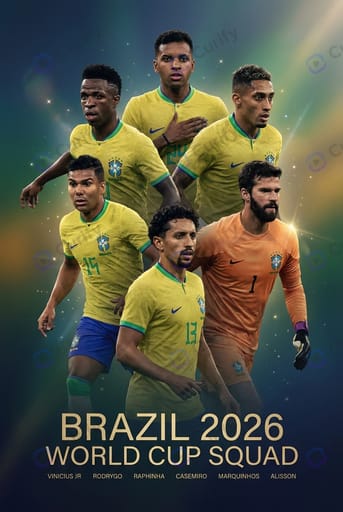
World Cup 2026 AI Prompt Hub: Cinematic Poster Prompts for All 11 Top Nations
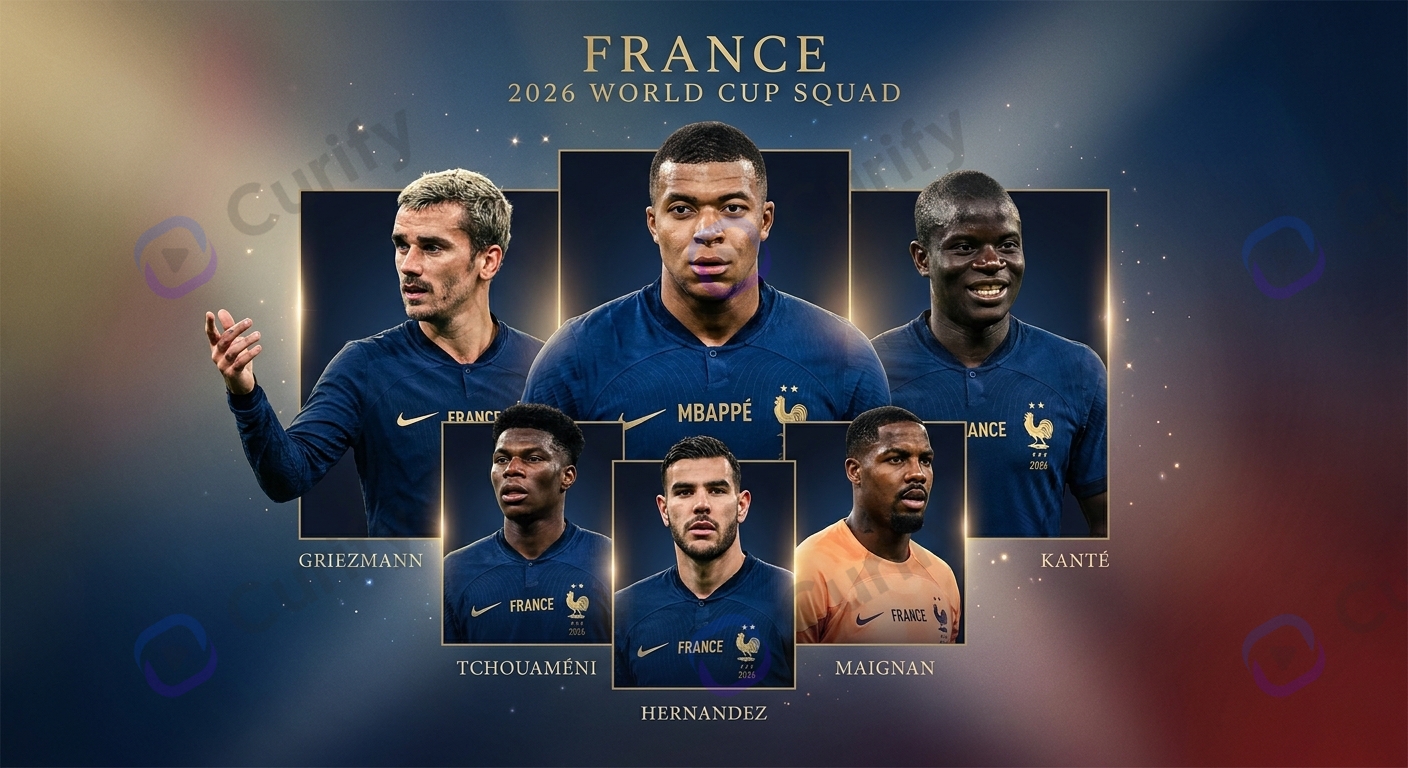
Who Will Win the 2026 World Cup? Final Four — France, Spain, Argentina, England