
Visualize Chinese Herbal Medicine with Nano Banana: A Complete AI Infographic Guide
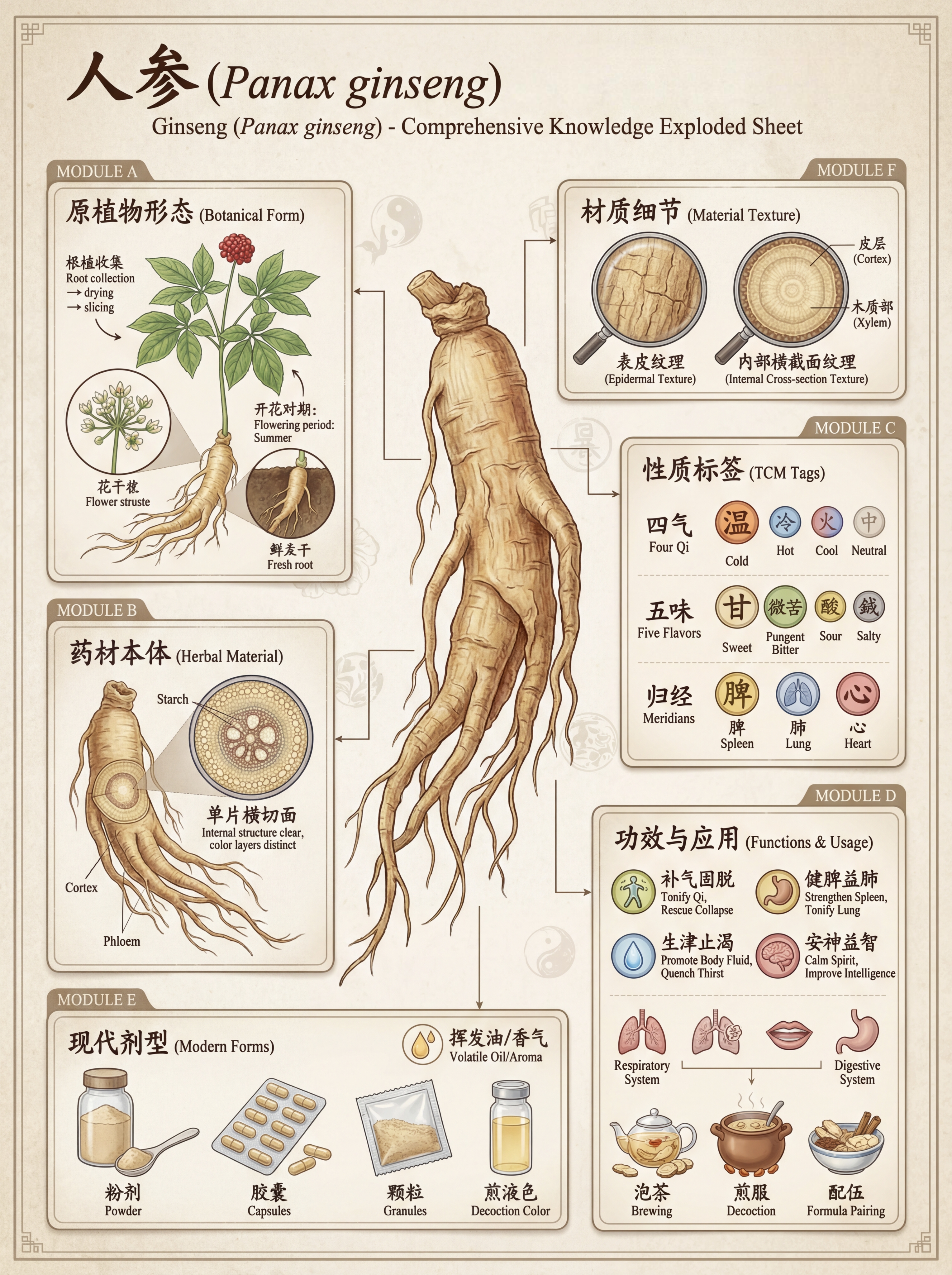
Curious about Chinese herbal medicine but unsure where to start? This beginner-friendly, use‑case–organized guide gives you a visual way to think about common herbs, the current state of evidence, and the safety cues that matter. You'll see quick references for stress and sleep, digestion, immunity and respiratory health, women's health, pain and inflammation, and skin—alongside simple evidence labels and caution flags.
Important Safety Information
This guide is educational and not medical advice. Herbal products can interact with medications and aren't risk‑free. Talk with a licensed clinician (and, when relevant, a licensed TCM practitioner) before using any herb, especially if you have a medical condition, take prescriptions, or are pregnant or breastfeeding. A quick regulatory note for U.S. readers: Most herbal products are sold as dietary supplements. They don't receive pre‑market FDA approval for safety or effectiveness. The FDA can act after products are on the market and maintains consumer updates on how supplements are regulated.
How to Use This Guide Visually
Think of each herb entry like a small card. To keep things clear, here's the visual legend we'll reference in prose: Pregnancy/breastfeeding: avoid or use only with clinician guidance; Anticoagulants/bleeding: potential to increase bleeding risk or uncertainty—consult your clinician; Hypertension/electrolytes: may raise blood pressure or affect potassium (e.g., licorice); Sedation: may cause drowsiness or enhance sedative effects; Liver: reported liver enzyme elevations or rare liver events—monitor and avoid with liver disease; Quality/contamination: risk reminder to source from reputable brands; Evidence badge: Sufficient RCTs; Limited/mixed clinical trials; Insufficient/traditional use.
Chinese Herbal Medicine Safety and Sourcing Cues
What 'regulated as supplements' means: Companies are responsible for ensuring product safety and accurate labeling; the FDA primarily acts post‑market. What's clearly off‑limits: Ephedra/ephedrine alkaloids are banned in dietary supplements because of serious cardiovascular risks. Buy smarter: Seek third‑party certifications (such as USP Verified or NSF programs), prefer brands that publish testing and lot numbers, and avoid products making 'cure' or 'quick fix' claims. Interactions are common: Many herbs can interact with medicines like blood thinners, diabetes medications, or immunosuppressants. When in doubt: If you're on prescription meds, pregnant or breastfeeding, have chronic conditions, or are considering herbs for a child, get personalized guidance first.
Top 12 Herbs Cheat Sheet (Evidence and Safety at a Glance)
| Herb | Primary Use-Cases | Evidence label | Key safety flags |
|---|---|---|---|
| Suan Zao Ren / SZRT | Sleep; Limited-moderate (small RCTs/SRs | regional concentration) | Sedation pregnancy caution source quality matters |
| Ginger | Nausea (pregnancy), digestion | Some evidence (pregnancy N/V); mixed otherwise | GI upset; anticoagulant uncertainty-consult |
| Licorice (gan cao) | Digestive support, formula synergy | Traditional use; benefits uncertain | Hypertension; hypokalemia; steroid interactions; pregnancy caution |
| Astragalus | Immune support | Limited/mixed clinical data | Possible counteraction with immunosuppressants; autoimmune caution; pregnancy caution |
| Andrographis | Acute URTI | Moderate (controlled trials/SRs) | GI/rash; rare allergy; liver enzymes; pregnancy avoid |
| Turmeric/Curcumin | Knee OA pain | Mixed; some positive SRs | GI upset; anticoagulant caution uncertain-consult |
| Ginseng (Asian) | Fatigue/cognition | Mixed/inconclusive | Insomnia; blood sugar effects; interaction uncertainty |
| Ginkgo | Cognition (not sleep) | Modest, inconsistent in dementia symptoms | Increased bleeding risk; stop before surgery |
| Dong quai | Menstrual/menopause | Insufficient/possibly ineffective solo | Bleeding risk; avoid in pregnancy/lactation |
| Schisandra | Stress/adaptation | Insufficient | Possible liver enzyme effects; interactions unclear |
| White peony (Paeonia) | Cramps (often in formulas) | Insufficient outside formulas | Anticoagulant caution; pregnancy caution |
| Chrysanthemum | Eye/respiratory comfort | Insufficient | Allergy potential; limited data |
When to Skip Herbs and Seek Professional Care
Red‑flag symptoms: chest pain, shortness of breath, new palpitations, severe headache, fainting, high fever, or signs of an allergic reaction (wheezing, hives, swelling). Stop supplements and seek care. Medication scenarios: using anticoagulants or antiplatelets; immunosuppressants; diabetes medications; lithium; high‑dose steroids; or preparing for surgery—consult your clinician before trying any herb. Special populations: pregnancy, breastfeeding, infants/children, older adults with multiple prescriptions, and people with liver or kidney disease should avoid self‑experimenting with herbs and get personalized advice.
Next Steps: Make It Visual
If you're teaching or sharing what you've learned, turning these use‑case notes into simple safety‑first cards can help others remember key cautions and evidence levels. A visual‑thinking tool like Curify can help you systematize icons (pregnancy, bleeding risk, sedation, liver, contamination) and build multilingual, accessible infographics for community education—without changing the conservative, evidence‑forward stance you've just read here.
Curify's Herbal Medicine Visualization Platform
Curify helps you create comprehensive botanical infographics combining traditional knowledge with modern safety information. Our system generates visual cards with clear evidence levels, safety icons, and multilingual educational content. The platform supports 170+ languages and includes compliance frameworks for educational content distribution.
Sources and Suggested Reading
Authoritative Sources
- FDA consumer explainer — FDA 101: Dietary Supplements - FDA final rule guidance — Small Entity Compliance Guide on ephedrine alkaloids - NCCIH overview — Herb–drug interactions digest - Individual Herb Resources: - Ginger (NCCIH) - Licorice (NCCIH) - Astragalus (NCCIH) - Ginkgo (NCCIH) - Turmeric (NCCIH) - Dong quai (MedlinePlus) - Research Reviews: - Andrographis review — Frontiers in Pharmacology (2021)
Important Disclaimer
External links point to authoritative, consumer‑oriented sources or peer‑reviewed reviews. Evidence is evolving; check publication dates and discuss decisions with a qualified clinician.
Popular Template Examples
Explore our most popular Nano Banana prompt templates to see what's possible:
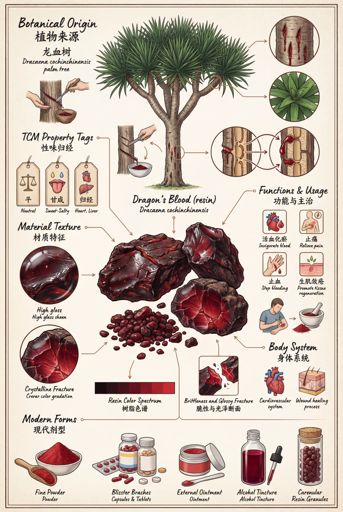
One image is a sample. A product line needs the whole set.
Every Curify template runs in bulk. Send the list — SKUs, words, characters, teams, scenes — and we return the full set generated against one locked visual direction, so the line reads as a collection instead of forty unrelated images.
- Works on any template, not a special few — the same prompt structure applied across your whole list.
- One locked visual direction across the set, so a 40-design line stays on-brand end to end.
- Production-ready output where the format calls for it — die-cut paths, dielines, print resolution.
Take the next step
Putting what you read into practice.
Browse related topics
More templates and prompts in these areas.